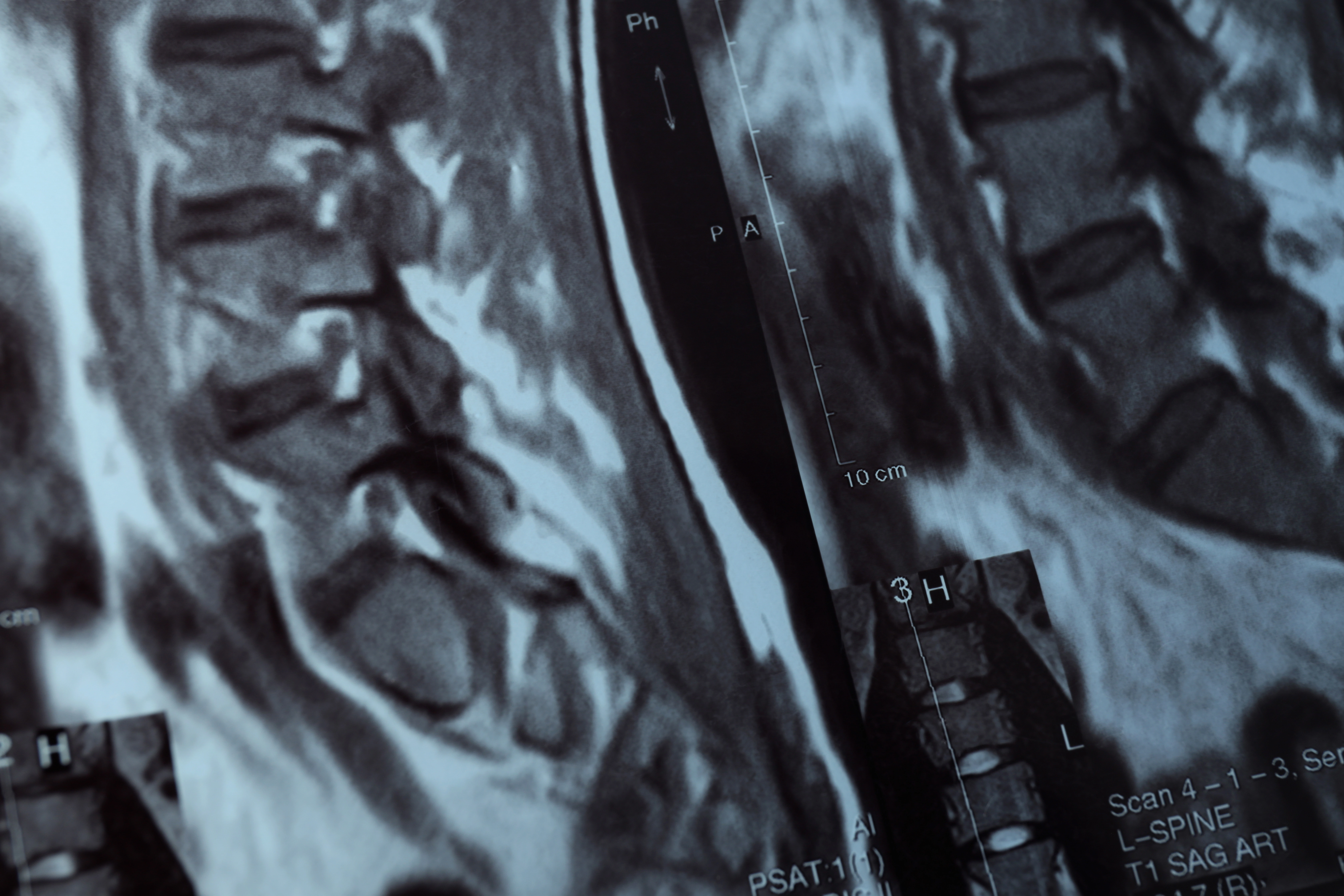
Posterior decompression surgery in Dubai at DRFK Turkish Medical Center is performed by Op. Dr. Fatih Kırar, DHA-licensed spine and neurosurgery specialist (17+ years). From the back of the spine, bone, ligament, or disc material compressing the cord and nerve roots is removed to enlarge the canal and restore function for spinal stenosis, disc herniation, sciatica, bone spur compression, and selected spinal tumours.
DRFK Turkish Medical Center is located at Villa 2, Al Athar Street, Jumeirah 3, Dubai. The clinic is easily accessible from Jumeirah, Umm Suqeim, Al Safa, Business Bay, and Downtown Dubai within around 15 minutes via Sheikh Zayed Road, with on-site parking available.
Posterior decompression surgery in Dubai at DRFK Turkish Medical Center is performed by Op. Dr. Fatih Kırar, DHA-licensed spine and neurosurgery specialist (17+ years). From the back of the spine, bone, ligament, or disc material compressing the cord and nerve roots is removed to enlarge the canal and restore function for spinal stenosis, disc herniation, sciatica, bone spur compression, and selected spinal tumours.
Op. Dr. Fatih Kırar selects laminectomy, laminotomy, foraminotomy, posterior discectomy, or decompression with fusion according to imaging, neurology, and stability, not a one-size posterior template.
Posterior access suits most canal and foraminal compression. Anterior approaches (ACDF, ALIF) are reserved for selected anterior pathology. Approach follows anatomy, not surgeon habit.
Posterior decompression accesses the spinal canal from the back through the posterior midline, removing bony and soft tissue structures compressing the cord or nerve roots. The objective: create canal space so neural structures are no longer mechanically compromised.
The posterior approach is most common because compressing structures, overgrown lamina, thickened ligamentum flavum, bulging posterior disc, lie directly posterior to the canal and are most efficiently reached from behind.
Spinal stenosis narrows the canal → compresses nerve roots → causes pain, numbness, weakness → posterior decompression removes bone/ligament → relieves pressure → restores function.
Entire lamina removed bilaterally, full canal decompression. Best for multi-level stenosis, neurogenic claudication, cervical myelopathy. Duration 1–3 hrs; stay 2–4 days; desk return 4–8 weeks.
Targeted window preserving stability, single/two-level stenosis without instability. Duration 1–2 hrs; stay 1–2 days; desk return 2–4 weeks.
Widens intervertebral foramen, foraminal bone spur, facet overgrowth, lateral disc. When compression is in exit zone. Duration 45–90 mins; stay 1–2 days; desk return 2–3 weeks.
Removes herniated fragment via posterior approach, foundation of microdiscectomy and endoscopic discectomy. Duration 45–90 mins; day case–2 days; desk return 1–4 weeks.
Pedicle screws and interbody fusion when instability exists or decompression creates instability. Decompression relieves pressure; fusion stabilises. Duration 2–4 hrs; stay 3–5 days; desk return 6–10 weeks.
Posterior selected for: stenosis, sciatica from disc, bone spur, cervical myelopathy, posterior tumour.
Anterior preferred for: ACDF, anterior cervical disc with good anterior access, selected ALIF instability.
At DRFK, Op. Dr. Fatih Kırar selects approach by compression anatomy and structural requirements, not default preference.
| Factor | Posterior | Anterior |
|---|---|---|
| Access | Back of spine | Front of spine |
| Primary purpose | Nerve decompression | Disc replacement / interbody fusion |
| Complexity | Moderate | Higher vascular proximity |
| Recovery | Typically faster | Variable |
| Best for | Stenosis, herniation, tumour, most nerve compression | ACDF, selected ALIF |
| Scar | Posterior midline | Anterior neck or abdominal |
Early: back pain, mild irritation, conservative management.
Moderate: radiating pain, numbness, injections + physiotherapy.
Severe: progressive weakness, walking difficulty, bladder change, urgent assessment; surgery when conservative care fails or neurology progresses.
Delayed surgery: structural compression does not resolve spontaneously, risk of permanent deficit; urgency assessed at every consultation.
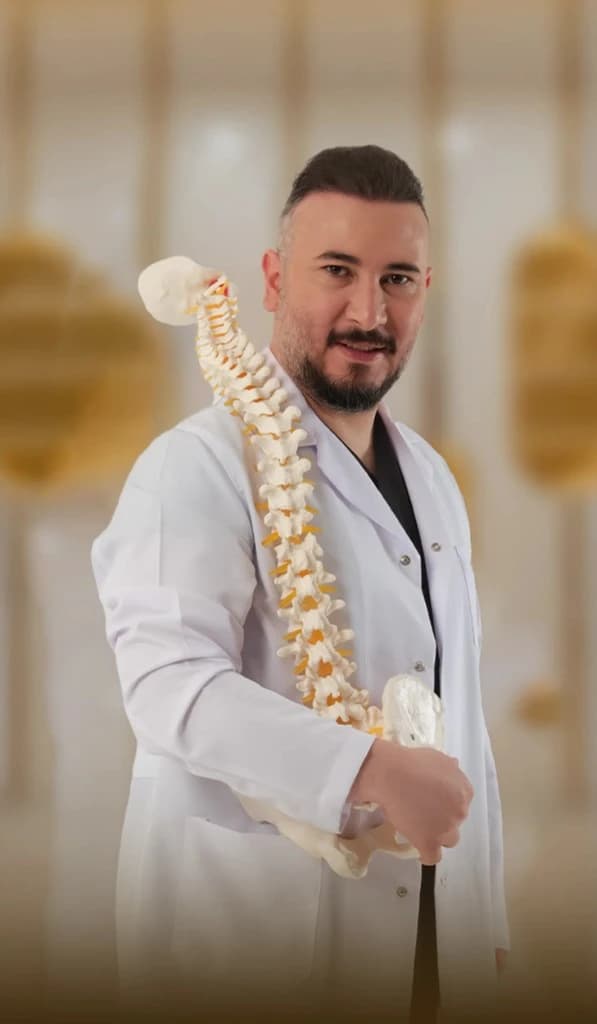
Lead specialist
Neurosurgeon, neurospine
Brain & Spine Surgery
17+ years experience
DHA License No: 20305968-001
View full profile| Diagnostic tool | Application |
|---|---|
| MRI spine | Compression level, cord signal, disc, tumour |
| CT spine | Bone spur, foraminal narrowing, facet hypertrophy |
| Standing flexion-extension X-ray | Dynamic instability, fusion requirement |
| NCS / EMG | Root level confirmation for surgical planning |
Technique selection: laminectomy, laminotomy, or foraminotomy; fusion decision from imaging and dynamic stability.
Blood panel; anaesthetic review, Dr. Zahra Ghafari; MRI/CT surgical planning.
Posterior midline incision; microscope-guided decompression; IONM throughout; fusion if indicated.
Walk 24–48 hours; discharge day 1–4 by procedure complexity.
Dr. Amina Zafar, core stabilisation from week 1–2 post-discharge.
Key principle: decompression removes compression; fusion stabilises segments unstable pre-operatively or made unstable by bone removal. Rationale explained before consent at DRFK.
| Condition | Decompression only | Decompression + fusion |
|---|---|---|
| Single-level stenosis, stable | Preferred | Not required |
| Multi-level stenosis, stable | Laminectomy | Consider if extensive |
| Stenosis + spondylolisthesis | Not sufficient | Required |
| Post-decompression instability | N/A | Stabilisation needed |
| Tumour, stable vertebra | Decompression | If body involved |
| Multi-level disc + instability | Not sufficient | Required |
| Procedure | Hospital stay | Desk return | Full activity |
|---|---|---|---|
| Laminotomy | 1–2 days | 2–4 weeks | 6–8 weeks |
| Laminectomy | 2–4 days | 4–8 weeks | 8–12 weeks |
| Foraminotomy | 1–2 days | 2–3 weeks | 6 weeks |
| Discectomy | Day case–2 days | 1–4 weeks | 4–8 weeks |
| Decompression + fusion | 3–5 days | 6–10 weeks | 3–6 months |
Lead specialist
Neurosurgeon, neurospine
Brain & Spine Surgery
17+ years experience
DHA License No: 20305968-001
Op. Dr. Fatih Kırar, Full profileDHA-licensed spine surgeon, founder DRFK, 17+ years across laminectomy, laminotomy, foraminotomy, and decompression-fusion.
Multi-level canal decompression, 2–4 day stay typical.
Focal window, stability preserved; often 1–2 days.
Exit-zone nerve root decompression.
Fragment removal, microdiscectomy pathway.
When instability coexists or decompression creates it.
Complete 6–12 weeks structured conservative care before surgery unless urgent neurology
Report progressive weakness or bladder change promptly
Understand decompression vs fusion decision before consent
Attend all physiotherapy sessions from week 1–2
Bring MRI, CT, and NCS reports to consultation
Medically reviewed by Op. Dr. Fatih Kırar | DRFK Turkish Medical Center, Jumeirah 3, Dubai | Last updated: April 2026
Every day: 9:00 AM – 6:00 PM
Villa 2 Al Athar Street, Jumeirah 3, Dubai, United Arab Emirates