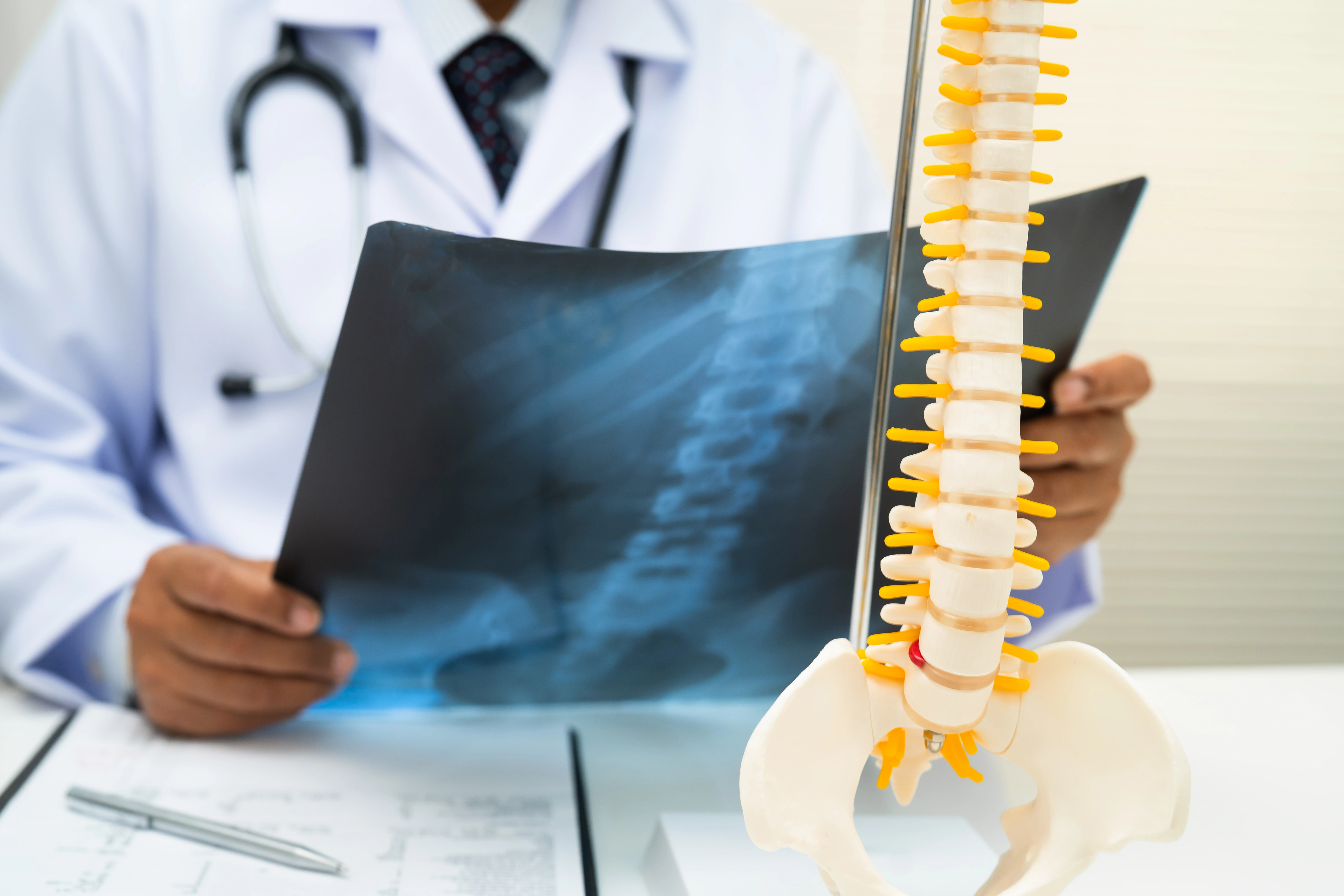
Spinal infection treatment in Dubai at DRFK Turkish Medical Center is delivered by Op. Dr. Fatih Kırar, DHA-licensed spine and neurosurgery specialist (17+ years). DRFK provides specialist assessment and evidence-based management for vertebral osteomyelitis, spondylodiscitis, spinal epidural abscess, and discitis, targeted IV antibiotics, CT-guided biopsy, abscess drainage, cord decompression, and stabilisation when vertebral destruction compromises structural integrity.
DRFK Turkish Medical Center is located at Villa 2, Al Athar Street, Jumeirah 3, Dubai. The clinic is easily accessible from Jumeirah, Umm Suqeim, Al Safa, Business Bay, and Downtown Dubai within around 15 minutes via Sheikh Zayed Road, with on-site parking available.
Spinal infection treatment in Dubai at DRFK Turkish Medical Center is delivered by Op. Dr. Fatih Kırar, DHA-licensed spine and neurosurgery specialist (17+ years). DRFK provides specialist assessment and evidence-based management for vertebral osteomyelitis, spondylodiscitis, spinal epidural abscess, and discitis, targeted IV antibiotics, CT-guided biopsy, abscess drainage, cord decompression, and stabilisation when vertebral destruction compromises structural integrity.
Spinal infection is serious and worsens with delay. Back pain + fever, especially with night pain, recent bacterial infection elsewhere, or immunosuppression, requires urgent specialist assessment and MRI. Do not manage with analgesia alone.
Seek emergency care immediately for:
Depending on the diagnosis:
Spinal infections are bacterial, fungal, or parasitic infections involving the vertebral bodies, intervertebral discs, epidural space, or spinal cord, from haematogenous spread, direct inoculation during spinal procedures, or extension from adjacent soft tissue infection.
The disc nucleus and inner annulus are essentially avascular in adults. The outer annular margins retain some vascular supply, but antibiotic penetration relies on diffusion through vertebral endplate vasculature, why 6–8 week courses are required.
Bacteria (often Staphylococcus aureus) seed via haematogenous spread; slow insidious progression mimics mechanical back pain for weeks. High index of suspicion in patients with risk factors is essential.
Red flag combination: back pain + fever + night worsening + recent systemic infection = urgent MRI until spinal infection is excluded.
Spinal epidural abscess with neurological deficit is a neurosurgical emergency. Progression to complete paralysis can occur within hours. Call 999 immediately or attend the nearest emergency department, do not call a clinic first.
Lead specialist
Neurosurgeon, neurospine
Brain & Spine Surgery
17+ years experience
DHA License No: 20305968-001
View full profileDiagnosis → microbiological identification → targeted treatment. No spinal infection treatment in Dubai is initiated without confirmed diagnosis and, wherever possible, organism identification.
| Diagnostic Tool | Spinal Infection Application |
|---|---|
| MRI Spine with Gadolinium | Gold standard, disc signal, endplate erosion, epidural abscess, cord compression |
| CT Spine | Bone destruction, fracture risk, surgical planning |
| Blood Culture | Positive in 30–50% of haematogenous infections, organism and sensitivity |
| CT-Guided Percutaneous Biopsy | Essential when blood culture negative or organism uncertain |
| Inflammatory Markers (CRP, ESR, WBC) | Activity monitoring, normalisation confirms response |
| Echocardiogram | Rules out endocarditis as source in Staphylococcal bacteraemia |
Decision flow: early + stable neurology → IV antibiotics + immobilisation | abscess without neurology → drainage assessment | neurological deficit → emergency decompression | structural instability → fusion.
Culture-directed IV antibiotics are cornerstone therapy for most cases without abscess or instability.
Duration typically 6–8 weeks IV, disc penetration relies on tissue diffusion, not direct blood delivery.
Staphylococcus aureus (most common): flucloxacillin or vancomycin (MRSA). Gram-negative (e.g. urological source): ceftriaxone or ciprofloxacin, final choice always culture-specific.
CRP and ESR monitored at 2-week intervals; failure to fall suggests inadequate coverage or undrained surgical source.
Spinal brace limits movement during acute phase.
Antibiotics alone when: early spondylodiscitis without abscess, deficit, or instability; confirmed organism; immunocompetent with improving markers.
Surgery when: epidural abscess with neurological deficit (emergency); abscess without neurology failing 24–48h antibiotics; structural instability; persistent elevated CRP/ESR at 4–6 weeks; microbiological diagnosis not achieved despite biopsy.
| Treatment | Indication | Duration | Outcome |
|---|---|---|---|
| IV Antibiotics | Early infection, no abscess, stable neurology | 6–8 weeks | Resolution in majority |
| Spinal Brace | Immobilisation during acute phase | 6–12 weeks | Pain control, fracture prevention |
| CT-Guided Biopsy | Microbiological identification | Once | Guides antibiotic selection |
| Abscess Drainage Surgery | Epidural abscess + neurology | Single procedure | Emergency decompression |
| Debridement + Reconstruction | Vertebral destruction + instability | Procedure + antibiotics | Stability + infection control |
| Minimally Invasive Drainage | Small accessible abscess, no neurology | Day case | Source control |
Antibiotic course: CRP normalisation typically 4–6 weeks; IV-to-oral transition often 8–12 weeks; clinical and marker review at 2, 4, 8, and 12 weeks; MRI at 3 months confirming resolution.
Post-surgical: mobilisation within 24–48 hours after drainage; fusion patients, physio from week 2, desk return 6–10 weeks, bony fusion at 12 months on CT.
Neurological recovery: sensory before motor; bladder least predictable; earlier decompression correlates with better outcome.
Long-term: serial CRP/ESR at 3, 6, 12 months; MRI at 3 and 12 months; optimise diabetes and bone health to reduce recurrence.
Lead specialist
Neurosurgeon, neurospine
Brain & Spine Surgery
17+ years experience
DHA License No: 20305968-001
Op. Dr. Fatih Kırar, Full profileDHA-licensed spinal infection specialist and founder of DRFK, complete pathway from early medical management through complex reconstruction after vertebral destruction. 17+ years. Active DHA practitioner licence, verify on dha.gov.ae. Languages: English, Arabic, Turkish.

Lead specialist
Specialist Radiology
Diagnostic Imaging & Interventional Radiology
25+ years experience
DHA License No: 00219919-003
Emergency MRI, Dr. Vivek KapoorDr. Vivek Kapoor leads emergency spinal MRI and diagnostic imaging for spinal infection at DRFK: gadolinium-enhanced MRI, CT, and rapid reporting for epidural abscess and spondylodiscitis assessment.
25+ Years | DHA-licensed Specialist Radiology | Diagnostic Imaging & Interventional Radiology
Cost depends on procedure, complexity, and hospital stay. Medically indicated spinal infection care is covered by most UAE plans including GlobeMed, pre-authorisation managed by our team.
Call +971 4 882 1015 anytime. WhatsApp DRFK Neurosurgery: +971 58 841 43 34.
Same-day pathways when presentation is high risk.
Define collection, bone involvement, canal compromise.
CRP/ESR/WBC; blood culture and biopsy when indicated.
Typically 6–8 weeks IV with 2-week marker monitoring.
Op. Dr. Fatih Kırar, IONM when indicated.
Nursing, physio, and follow-up lab schedule.
Do not self-start leftover antibiotics for backache, you can mask a serious picture
Fever returning during therapy, contact the team immediately
Epidural abscess with weakness, call 999, do not wait for clinic
Medically reviewed by Op. Dr. Fatih Kırar | DRFK Turkish Medical Center, Jumeirah 3, Dubai | Last updated: April 2026
Every day: 9:00 AM – 6:00 PM
Villa 2 Al Athar Street, Jumeirah 3, Dubai, United Arab Emirates