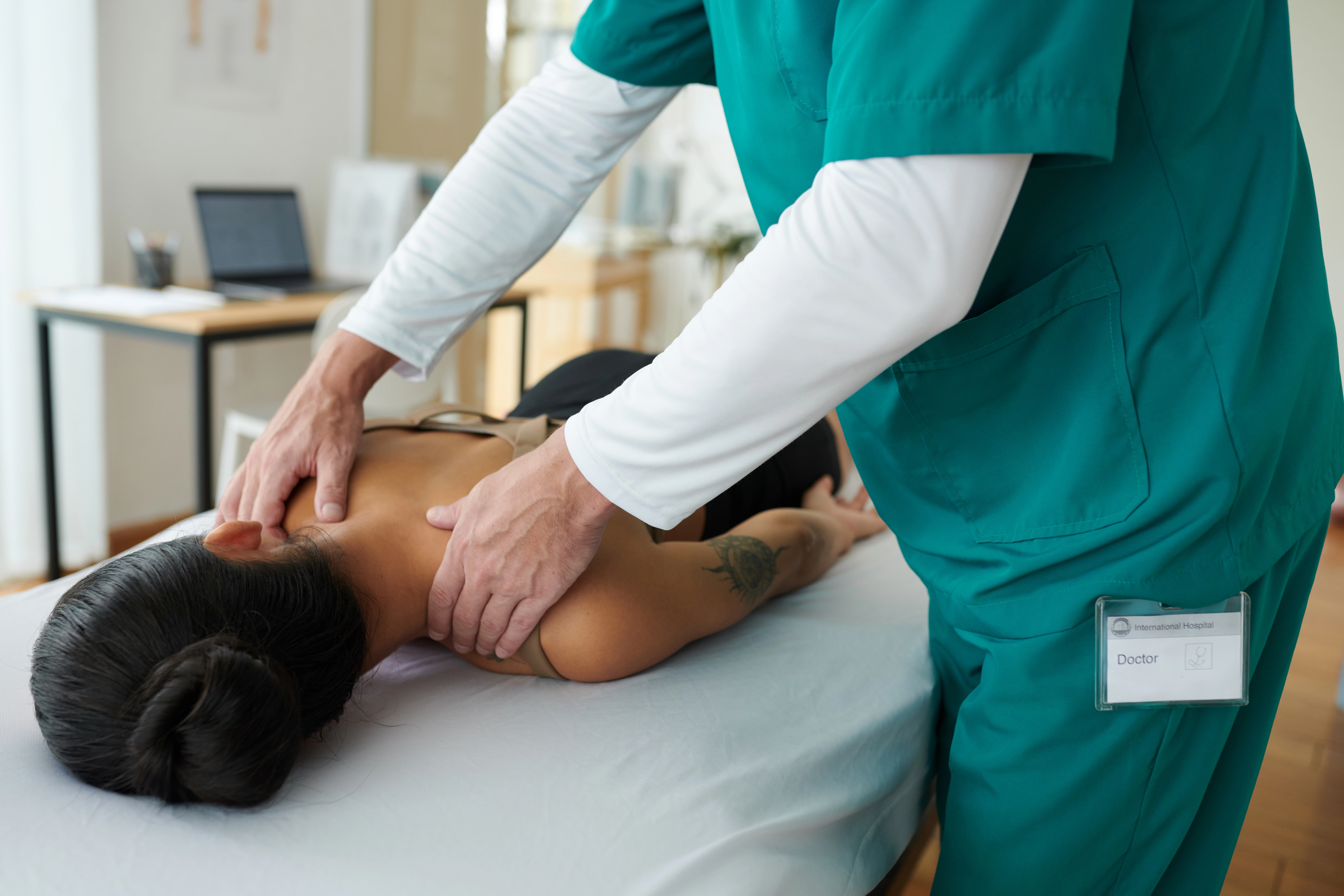
Cervical radiculopathy treatment in Dubai at DRFK Turkish Medical Center is delivered by Op. Dr. Fatih Kırar, DHA-licensed spine and neurosurgery specialist (17+ years). DRFK provides specialist assessment and the complete pathway for cervical nerve root compression, from targeted physiotherapy, cervical traction, and nerve root block injection (performed by Op. Dr. Fatih Kırar) through to ACDF and cervical disc replacement for neck and arm pain, hand numbness, grip weakness, and shoulder blade pain from disc herniation, bone spurs, and foraminal narrowing.
DRFK Turkish Medical Center is located at Villa 2, Al Athar Street, Jumeirah 3, Dubai. The clinic is easily accessible from Jumeirah, Umm Suqeim, Al Safa, Business Bay, and Downtown Dubai within around 15 minutes via Sheikh Zayed Road, with on-site parking available.
Cervical radiculopathy treatment in Dubai at DRFK Turkish Medical Center is delivered by Op. Dr. Fatih Kırar, DHA-licensed spine and neurosurgery specialist (17+ years). DRFK provides specialist assessment and the complete pathway for cervical nerve root compression, from targeted physiotherapy, cervical traction, and nerve root block injection (performed by Op. Dr. Fatih Kırar) through to ACDF and cervical disc replacement for neck and arm pain, hand numbness, grip weakness, and shoulder blade pain from disc herniation, bone spurs, and foraminal narrowing.
For general neck pain visit Neck Pain Treatment. For the full cervical spine programme visit Cervical Spine Pain Treatment.
Book a cervical spine review if you notice:
Bilateral hand clumsiness, gait disturbance, or progressive cord signs require urgent MRI and may accelerate to early decompression, distinct from single-arm radiculopathy.
Cervical radiculopathy is compression or chemical irritation of a cervical nerve root producing pain, sensory disturbance, and motor weakness that radiates from the neck into the arm, forearm, and hand in a specific dermatomal pattern corresponding to the compressed root. It is the cervical equivalent of lumbar sciatica, nerve root compression producing limb symptoms rather than purely local spinal pain.
Core mechanism: Herniated disc OR bone spur (osteophyte) OR foraminal narrowing → compresses → cervical nerve root → causes → dermatomal arm pain + numbness + weakness in the specific arm territory supplied by that root.
Each cervical nerve root (C5–C8) carries both sensory and motor signals to a specific arm territory. When compressed, the entire distribution of that root is affected. This dermatomal mapping is the clinical tool Op. Dr. Fatih Kırar uses to confirm the symptomatic level before MRI and to verify that the MRI finding matches the clinical presentation before any treatment is selected.
Disc herniation: Nucleus pulposus leakage through the annulus fibrosus compresses the nerve root in the central canal or foramen, the most common cause in younger adults (30–50 years). Chemical irritation from nucleus material adds an inflammatory component to mechanical compression.
Bone spur (osteophyte) and foraminal narrowing: Cervical spondylosis → disc height loss → facet joint hypertrophy → osteophyte formation → foraminal narrowing → nerve root compression in the lateral recess or foramen, the dominant cause in adults over 50. Bony compression is less likely to resorb than disc herniation; surgical decompression is more frequently required.
Inflammatory nerve root oedema: Even without significant mechanical compression, the nerve root may develop inflammatory oedema from adjacent disc degeneration, producing radiculopathy symptoms that respond well to steroid injection.
The most common diagnostic confusion at DRFK's cervical radiculopathy clinic in Dubai is distinguishing cervical radiculopathy from shoulder pathology (rotator cuff, subacromial impingement) and from non-radicular neck and trapezius pain. The distinction determines the treatment pathway entirely.
Cervical radiculopathy: Pain radiates below the shoulder into the arm, forearm, and hand following a dermatomal pattern. Associated with numbness and tingling in a specific finger distribution. May have arm or hand motor weakness. Worsened by neck extension and ipsilateral lateral flexion (Spurling's test positive). Relieved by abduction of the arm above the head (reducing foraminal tension).
Shoulder pathology: Pain localised to the shoulder and outer arm. No hand or finger symptoms. No dermatomal pattern. Worsened by shoulder movement, not neck movement.
Myofascial neck/trapezius pain: Diffuse, ill-defined pain in the neck and shoulder girdle. No radicular pattern, no neurological symptoms. Worsened by palpation of trigger points.
Op. Dr. Fatih Kırar performs structured clinical differentiation at every consultation, identifying the true pain source before any investigation is ordered.
| Diagnostic Tool | Cervical Radiculopathy Application |
|---|---|
| MRI Cervical Spine | Gold standard, disc herniation level, foramen narrowing, nerve root compression, cord signal |
| CT Cervical Spine | Osteophyte extent, foraminal bony narrowing, surgical planning |
| NCS / EMG | Nerve root level and severity, confirms C5/C6 vs C6/C7 when MRI shows multi-level disease |
| Spurling's Test (Clinical) | Reproduces arm symptoms with neck extension + lateral flexion, confirms radiculopathy |
| Neurological Examination | Reflex loss (bicep C6, tricep C7), motor weakness, sensory dermatomal assessment |
Treatment decision flow at DRFK: Mild → physio + traction | Moderate → injection + physio | Severe or >12 weeks failure → surgery.
Structured cervical rehabilitation by Dr. Amina Zafar, the evidence-based first-line non-surgical cervical radiculopathy treatment in Dubai for mild-to-moderate nerve root compression without progressive motor deficit. Targets: deep cervical flexor strengthening; neural mobilisation reducing nerve root tension in the foramen; cervical mobilisation restoring facet range; postural correction eliminating forward head posture; scapular stabilisation reducing trapezius overload.
Who is the right candidate: Mild-to-moderate radiculopathy without progressive motor deficit. Expected results: significant improvement within 4–8 weeks.
Mechanical or manual cervical traction increases foraminal height, directly reducing bony compression on the nerve root and reducing intradiscal pressure. Most effective for foraminal stenosis-dominant radiculopathy and disc herniation with a foraminal component. Applied within the physiotherapy programme at DRFK when MRI confirms foraminal narrowing.
Fluoroscopy-guided corticosteroid into the cervical epidural space adjacent to the compressed nerve root, the most effective injection for cervical radiculopathy treatment in Dubai, particularly where inflammatory disc herniation or degeneration drives nerve root oedema. All cervical injection procedures are performed by Op. Dr. Fatih Kırar.
Best for: Moderate cervical radiculopathy with arm pain from disc herniation or spondylotic foraminal stenosis; radiculopathy where physiotherapy is insufficient after 4–6 weeks. Expected results: significant arm and neck pain reduction within 3–14 days; effect lasting 4–12 weeks. When to choose over surgery: No progressive neurological deficit; structural stability maintained; patient completing active physiotherapy alongside injection.
Image-guided injection of local anaesthetic and steroid around the specific compressed cervical nerve root, the most targeted pinched nerve neck treatment Dubai available without surgery. Simultaneously provides diagnostic confirmation (temporary complete resolution of arm symptoms confirms the injected level) and therapeutic anti-inflammatory relief.
Best for: Multi-level cervical disc disease on MRI where clinical arm symptom pattern does not clearly lateralise before surgical planning; diagnostic confirmation of level before ACDF. Performed by Op. Dr. Fatih Kırar.
Forward head posture from prolonged screen use increases cervical foraminal loading, worsening nerve root compression. Structured ergonomic guidance at cervical radiculopathy consultations includes: screen height correction, phone at eye level, standing intervals every 30 minutes, and sleep position correction, measurably reducing foraminal stress between clinical sessions.
Surgery is recommended by Op. Dr. Fatih Kırar when: progressive motor deficit (increasing arm or hand weakness over days to weeks); severe, constant radiculopathy unresponsive to structured physiotherapy and 1–2 injection cycles; large disc herniation with significant nerve root compression on MRI and rapidly progressing symptoms; cervical myelopathy developing (bilateral symptoms, gait disturbance, bladder change, surgical urgency; call 999 for acute bladder dysfunction); or radiculopathy persisting beyond 12 weeks of adequate conservative management.
| Treatment | Best For | Nerve Decompression | Recovery |
|---|---|---|---|
| Physiotherapy | Mild-moderate radiculopathy, stable | No | 4–8 weeks |
| Cervical Traction | Foraminal stenosis + disc component | Indirect | During course |
| Cervical Epidural Injection | Moderate radiculopathy, disc/spondylotic | Indirect (anti-inflammatory) | 1–2 days |
| Nerve Root Block | Level-specific, diagnostic + therapeutic | Indirect | 1–2 days |
| ACDF | Persistent/progressive radiculopathy | Yes, direct | 3–6 weeks |
| Cervical Disc Replacement | Single-level, motion preservation | Yes, direct | 2–4 weeks |
| Posterior Foraminotomy | Lateral disc, motion preservation | Yes, direct | 2–3 weeks |
| Treatment | Arm Pain Relief | Desk Return | Full Recovery |
|---|---|---|---|
| Physiotherapy | 4–8 weeks | Week 1 modified | 8–12 weeks |
| Cervical Epidural Injection | 3–14 days | 1–2 days | 4–12 weeks effect |
| Nerve Root Block | Days–2 weeks | 1–2 days | 4–12 weeks effect |
| ACDF | 3–6 weeks | 3–6 weeks | 8–12 weeks |
| Cervical Disc Replacement | 2–4 weeks | 2–4 weeks | 6–8 weeks |
| Posterior Foraminotomy | 2–3 weeks | 2–3 weeks | 6 weeks |
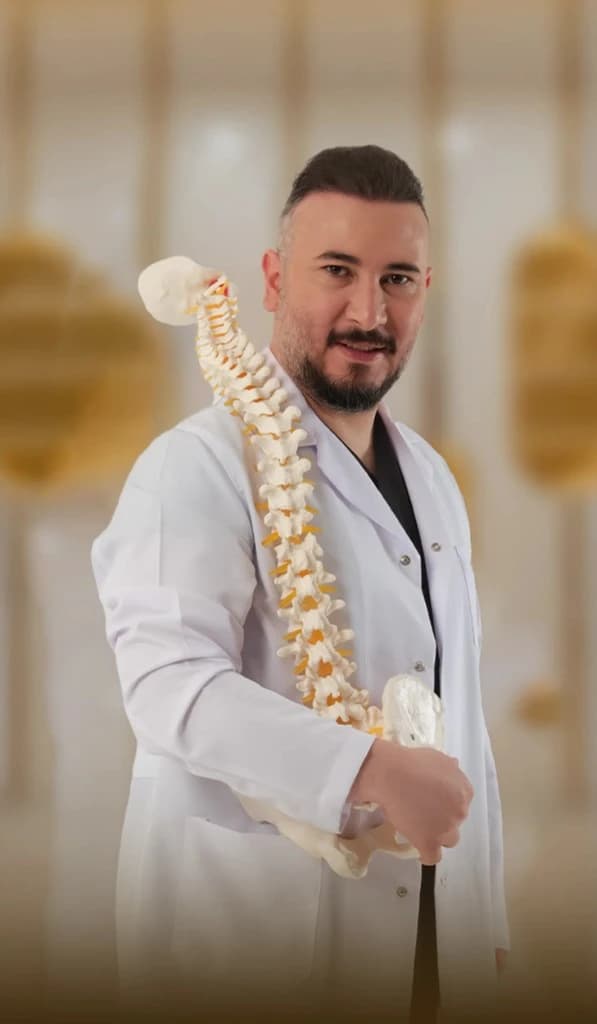
Lead specialist
Neurosurgeon, neurospine
Brain & Spine Surgery
17+ years experience
DHA License No: 20305968-001
Op. Dr. Fatih Kırar, Full profileOp. Dr. Fatih Kırar is a DHA-licensed cervical spine and neurosurgery specialist in Dubai with 17+ years of experience and performed. He leads cervical radiculopathy assessment, targeted injection, and surgical decompression (ACDF, disc replacement, posterior foraminotomy) at DRFK.
17+ Years | Procedures | Languages: English, Arabic, Turkish

Lead specialist
Specialist Radiology
Diagnostic Imaging & Interventional Radiology
25+ years experience
DHA License No: 00219919-003
Dr. Vivek Kapoor, Full profileDr. Vivek Kapoor leads diagnostic imaging for cervical radiculopathy at DRFK: cervical MRI interpretation, multi-level disease correlation with clinical findings, and NCS/EMG coordination for level confirmation before surgical planning.
25+ Years | DHA-licensed Specialist Radiology | Diagnostic Imaging & Interventional Radiology
The cost of cervical radiculopathy treatment in Dubai at DRFK depends on the treatment modality selected, physiotherapy, nerve conduction study, epidural injection, nerve root block, or surgical decompression. A personalised cost estimate is provided following consultation. No cost is confirmed without individual assessment.
Most UAE health insurance plans including GlobeMed cover specialist consultation, diagnostic imaging, physiotherapy, and clinically indicated injections and procedures for confirmed cervical radiculopathy. Pre-authorisation is managed entirely by our team.
DRFK Turkish Medical Center, Villa 2, Al Athar Street, Jumeirah 3, Dubai, UAE.
Accessible from Jumeirah, Umm Suqeim, Al Safa, Business Bay, and Downtown Dubai within 15 minutes via Sheikh Zayed Road. On-site parking available. Appointments confirmed within 2 hours. Open every day, 9:00 AM to 6:00 PM.
Dermatomal mapping, reflexes, and strength, level matched to imaging.
Dr. Vivek Kapoor, 24-hour reporting when performed at DRFK.
Dr. Amina Zafar, physio, traction, posture; led by the DRFK spine team.
Op. Dr. Fatih Kırar, fluoroscopy-guided.
When progressive neurology or structured conservative care fails.
Deep cervical flexor and scapular stabiliser strengthening.
Screen at eye level; avoid prolonged chin-on-chest phone posture
Arm relief when holding the arm overhead may suggest foraminal compression, report this pattern
New grip weakness or bilateral symptoms, escalate review early; call 999 for acute bladder change
Complete the full physiotherapy programme to reduce recurrence
Medically reviewed by Op. Dr. Fatih Kırar | DRFK Turkish Medical Center, Jumeirah 3, Dubai | Last updated: April 2026
Every day: 9:00 AM – 6:00 PM
Villa 2 Al Athar Street, Jumeirah 3, Dubai, United Arab Emirates