Paediatric brain tumour surgery in Dubai at DRFK Turkish Medical Center is performed using microsurgical craniotomy and neuronavigation-guided techniques by Op. Dr. Fatih Kirar, a DHA-licensed paediatric brain tumour surgeon in Dubai with 17+ years of experience and performed. Every child's case is managed with the objective of complete, safe paediatric brain tumour removal, minimal neurological impact, and an achievable long-term developmental outcome. Child brain tumour surgery demands child-specific anaesthetic protocols, precision-scaled microsurgical instruments, age-calibrated intraoperative monitoring, and a multidisciplinary team beyond the operating theatre. At DRFK, Op. Dr. Fatih Kirar is supported by paediatric specialists Dr. Haticenur Kirar and Dr. Mehmet Ozturk, delivering fully integrated neurosurgical and paediatric care under one roof.
DRFK Turkish Medical Center is located at Villa 2, Al Athar Street, Jumeirah 3, Dubai. The clinic is easily accessible from Jumeirah, Umm Suqeim, Al Safa, Business Bay, and Downtown Dubai within around 15 minutes via Sheikh Zayed Road, with on-site parking available.
Brain tumours are the most common solid tumours in children and a cause of cancer-related mortality in the paediatric population. Early paediatric brain tumour surgery in Dubai by an experienced specialist significantly influences long-term survival and neurological development.
Urgent evaluation is required for sudden neurological deterioration, acute severe headache, or rapidly progressive weakness. Contact DRFK immediately on +971 4 882 1015 or message via WhatsApp.
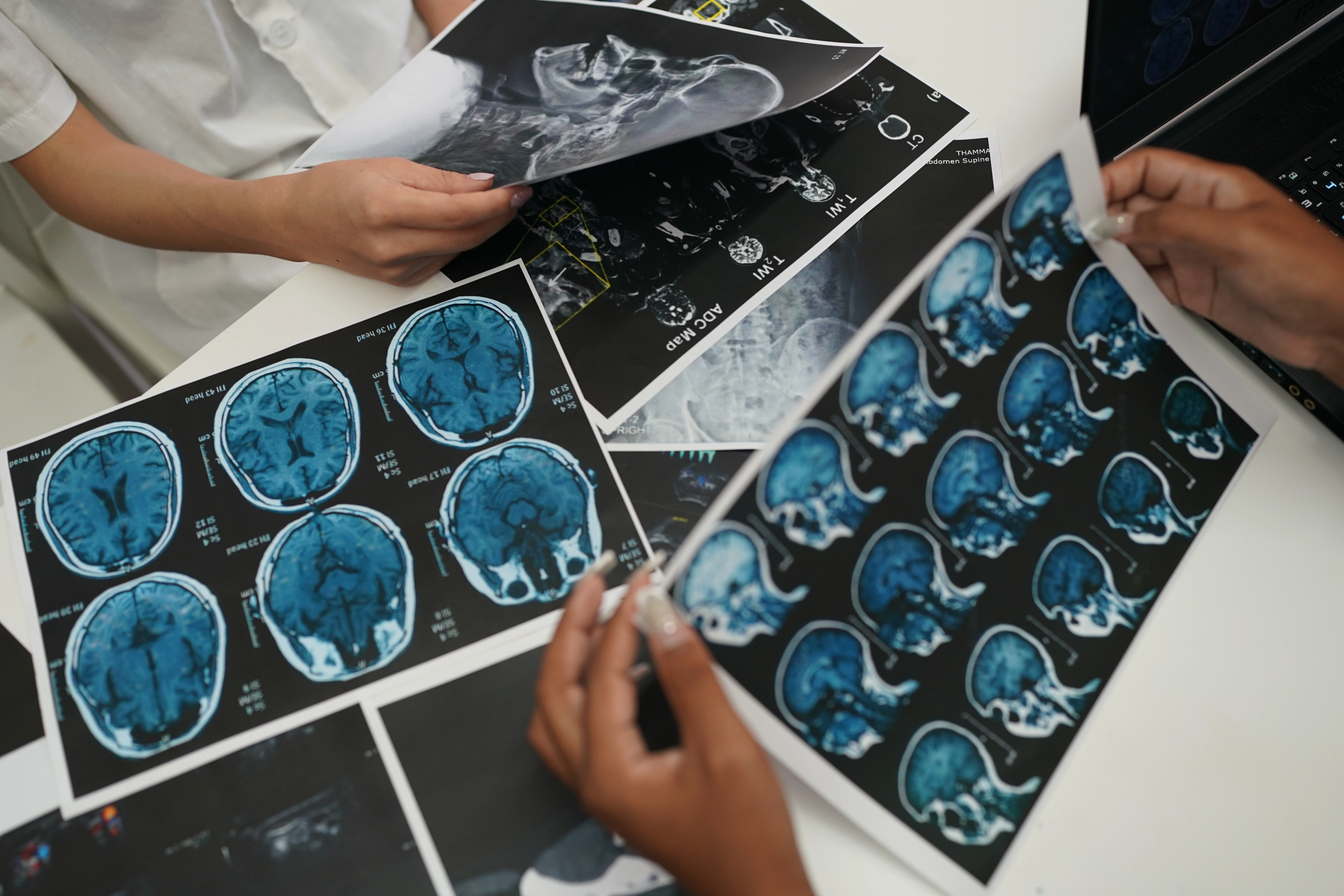
Accurate pre-operative diagnosis determines the surgical technique, resection extent, and monitoring requirements for every paediatric brain tumour surgery case in Dubai. Dr. Vivek Kapoor (Specialist Radiology, DRFK) performs paediatric neuroimaging using child-optimised protocols that minimise radiation exposure and sedation burden whenever safely possible.
All findings are reviewed by Op. Dr. Fatih Kırar with the paediatric team before any surgical plan is confirmed. Results are reported within 24 hours and communicated to parents in clear language.
| Diagnostic tool | Clinical purpose in children |
|---|---|
| MRI brain with gadolinium, paediatric protocol | Gold standard for tumour characterisation, location, size, and relationship to eloquent structures; no ionising radiation |
| Functional MRI (fMRI) | Maps motor, speech, and memory cortex in older children before surgical planning |
| MRI spectroscopy | Metabolic signature to support pre-operative grade differentiation |
| CT scan | Rapid emergency assessment for acute haemorrhage or hydrocephalus |
| Cerebral angiography (DSA) | Vascular mapping for highly vascular paediatric tumours |
| Intraoperative MRI | Real-time confirmation of resection extent during surgery |
| Pre-operative blood panel | Full blood count, coagulation screen, and anaesthetic fitness |
Not every paediatric brain tumour requires immediate surgery. Op. Dr. Fatih Kırar evaluates tumour type, grade, growth pattern, and symptom severity in joint assessment with Dr. Hatiçenur Kırar and Dr. Mehmet Öztürk.
Some small or radiographically stable tumours may be managed with active surveillance. Surgery is recommended only when clinical and imaging criteria show that the benefit of removal outweighs surgical risk for that child.
Op. Dr. Fatih Kırar performs the full range of advanced techniques using child-scaled microsurgical instruments, paediatric-calibrated neuronavigation, and age-appropriate intraoperative monitoring throughout every procedure.
| Technique | Best for | Duration | Hospital stay |
|---|---|---|---|
| Microsurgical craniotomy | All accessible tumour types | 2–5 hrs | 3–7 days |
| Keyhole craniotomy | Small / accessible lesions | 1–3 hrs | 1–3 days |
| Endoscopic resection | Intraventricular and skull base | 1–3 hrs | 1–3 days |
| Skull base surgery | Complex deep tumours | 3–6 hrs | 4–8 days |
| Decompressive craniotomy | Emergency compression | Variable | Variable |
Microsurgical craniotomy is the primary approach for paediatric brain tumour removal in Dubai. The tumour is resected under a high-magnification operating microscope using bipolar microsurgical technique, aiming for maximum safe resection.
Duration: 2–5 hrs | Hospital stay: 3–7 days | Return to light activity: 4–6 weeks
Every case at DRFK is performed with Brainlab neuronavigation. Pre-operative MRI is integrated for real-time 3D orientation and sub-millimetre margin assessment, essential near eloquent cortex in the developing brain.
Keyhole craniotomy is prioritised where tumour location allows, reducing incision length, bone removal, and recovery burden while maintaining tumour control.
Best for: small to moderate tumours, intraventricular tumours, and selected posterior fossa lesions. Duration: 1–3 hrs | Stay: 1–3 days | Return to activity: 2–4 weeks
Intraventricular and third ventricular tumours can be resected through small ports endoscopically, avoiding full craniotomy in suitable cases, with reduced operative morbidity.
Paediatric skull base tumours, including craniopharyngioma, chordoma, and petroclival lesions, require specialist planning. Op. Dr. Fatih Kırar uses pterional, orbitozygomatic, and retrosigmoid approaches with neuro-monitoring and intraoperative imaging.
Duration: 3–6 hrs | Hospital stay: 4–8 days
Acute brain compression from tumour-related haemorrhage, sudden hydrocephalus, or rapid mass effect may require emergency decompressive craniotomy. DRFK supports rapid-access pathways with immediate post-operative neuro-ICU admission.
Technique selection is confirmed by Op. Dr. Fatih Kırar following individual pre-operative assessment. Results and timelines vary by case.
Op. Dr. Fatih Kırar reviews MRI and fMRI to map the tumour, its relationship to motor cortex, speech areas, and vessels, and to plan the safest corridor.
Dr. Zahra Ghafari delivers specialist paediatric general anaesthesia calibrated to the child's age, weight, and neurological status. IONM electrodes are placed and baselines recorded before incision.
A planned bone flap is elevated under neuronavigation with the minimum exposure required for safe access.
Resection proceeds under high-magnification microscopy with neuronavigation and continuous IONM of motor and sensory pathways. 5-ALA fluorescence is used for high-grade tumours when indicated.
The dura is closed, the bone flap secured, and the wound layered anatomically with haemostasis confirmed throughout.
Immediate transfer to dedicated paediatric monitoring. Post-operative MRI is performed within 24–48 hours.
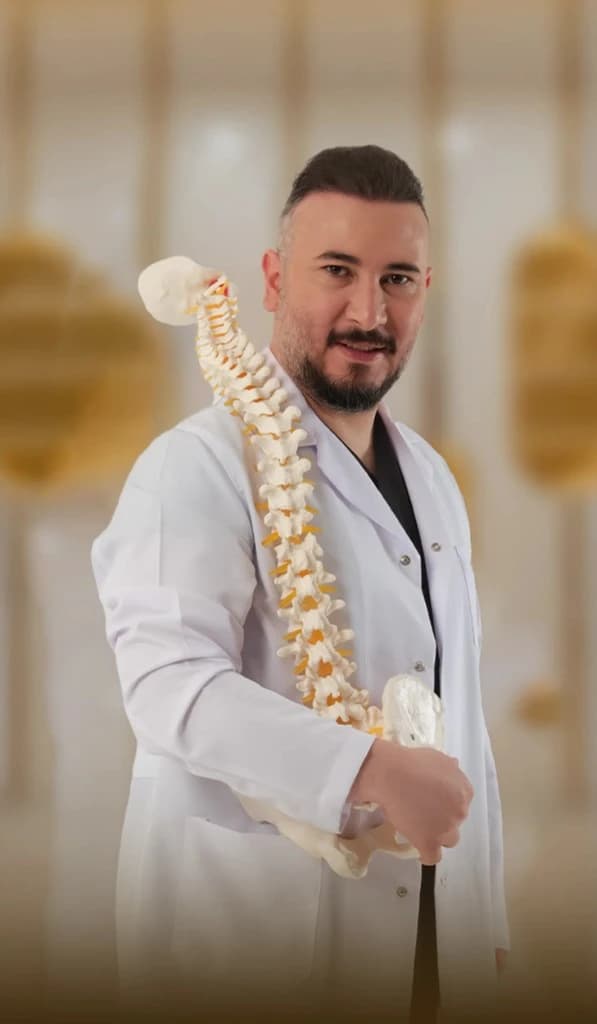
Lead specialist
Neurosurgeon, neurospine
Brain & Spine Surgery
17+ years experience
DHA License No: 20305968-001
Op. Dr. Fatih Kırar, Full ProfileOp. Dr. Fatih Kırar leads all paediatric brain tumour surgery at DRFK Turkish Medical Center. He brings 17+ years of specialist experience, and a, focused on maximum safe resection, neurological preservation, and child-appropriate recovery.
"Performing brain tumour surgery on a child is the most significant responsibility in neurosurgery. Every decision, from approach to closure, is made to give that child a possible neurological future.", Op. Dr. Fatih Kırar
| Timeline | Recovery progress |
|---|---|
| Days 1–3 | Paediatric neuro-ICU; post-operative MRI at 24–48 hours; neurological assessment; age-appropriate pain control |
| Days 3–7 | Ward transfer; mobilisation; oral nutrition; discharge planning |
| Weeks 1–4 | Home rest; wound care; no school or contact sport; physiotherapy with Dr. Amina Zafar |
| Weeks 4–8 | Phased return to school; neurological review; follow-up MRI arranged |
| Weeks 8–12 | Return to normal age-appropriate activity for most children; full neurological assessment |
| 6–12 months | Annual MRI surveillance; developmental assessment; adjuvant oncology follow-up when indicated |
Results may vary. Individual recovery depends on tumour type, grade, surgical technique, the child’s age, and pre-operative neurological baseline.
Cost depends on surgical technique, tumour complexity, operative duration, anaesthesia, and total hospital stay. A personalised estimate follows consultation with Op. Dr. Fatih Kırar, no fee is confirmed without individual clinical assessment.
The team manages pre-authorisation for insured families. Direct billing is available with participating providers. International and self-pay families receive an itemised breakdown after consultation. Flexible payment options may be available, contact patient services.
DRFK Turkish Medical Center is a DHA-licensed facility for paediatric brain tumour surgery in Dubai. Op. Dr. Fatih Kırar holds an active DHA practitioner licence for neurosurgery, verify on the public DHA register.
DRFK Turkish Medical Center, Villa 2, Al Athar Street, Jumeirah 3, Dubai, UAE.
Located in Jumeirah 3, reachable from Jumeirah, Umm Suqeim, Al Safa, Business Bay, and Downtown Dubai within about 15 minutes via Sheikh Zayed Road. On-site parking available.
Phone +971 4 882 1015 · WhatsApp · صفحة التواصل · Online booking via drfk.ae.
Appointments are often confirmed within about two hours during working hours. Saturday to Thursday, 8:00 AM – 8:00 PM.
For sudden neurological deterioration or acute severe symptoms, call +971 4 882 1015 immediately.
Experiences shared by patients after consultation or treatment.
“Came to Dr. Fatih for treatment. He prepared a thorough plan with excellent results. Very attentive, knowledgeable, and the team made the whole experience far less frightening than we expected.”
Fatma Y. — Patient feedback
“Flew from Moscow for Dr. Fatih Kırar's expertise. Treated with minimally invasive technique. 25+ years of experience really shows. Results.”
Sergey M. — Patient feedback
“تجربة رائعة مع الدكتور فاتح كيرار. العلاج كان سريعاً وبدون ألم. شكراً لفريق DRFK المتميز!”
Noura M. — Patient feedback
Medical & surgical services | Patient-centered care
Op. Dr. Fatih Kirar is a specialist neurosurgeon and Founder of DRFK Turkish Medical Center. With 17+ years and neurosurgical outcomes, including complex paediatric brain tumour surgery, skull base tumour surgery, and decompressive craniotomy, he leads one of Dubai’s most experienced paediatric brain tumour surgery programmes. Medically reviewed by Op. Dr. Fatih Kirar, Neurosurgery Specialist | DRFK Turkish Medical Center, Jumeirah 3, Dubai | Last updated: April 2026
Every day: 9:00 AM – 6:00 PM
Villa 2 Al Athar Street, Jumeirah 3, Dubai, United Arab Emirates