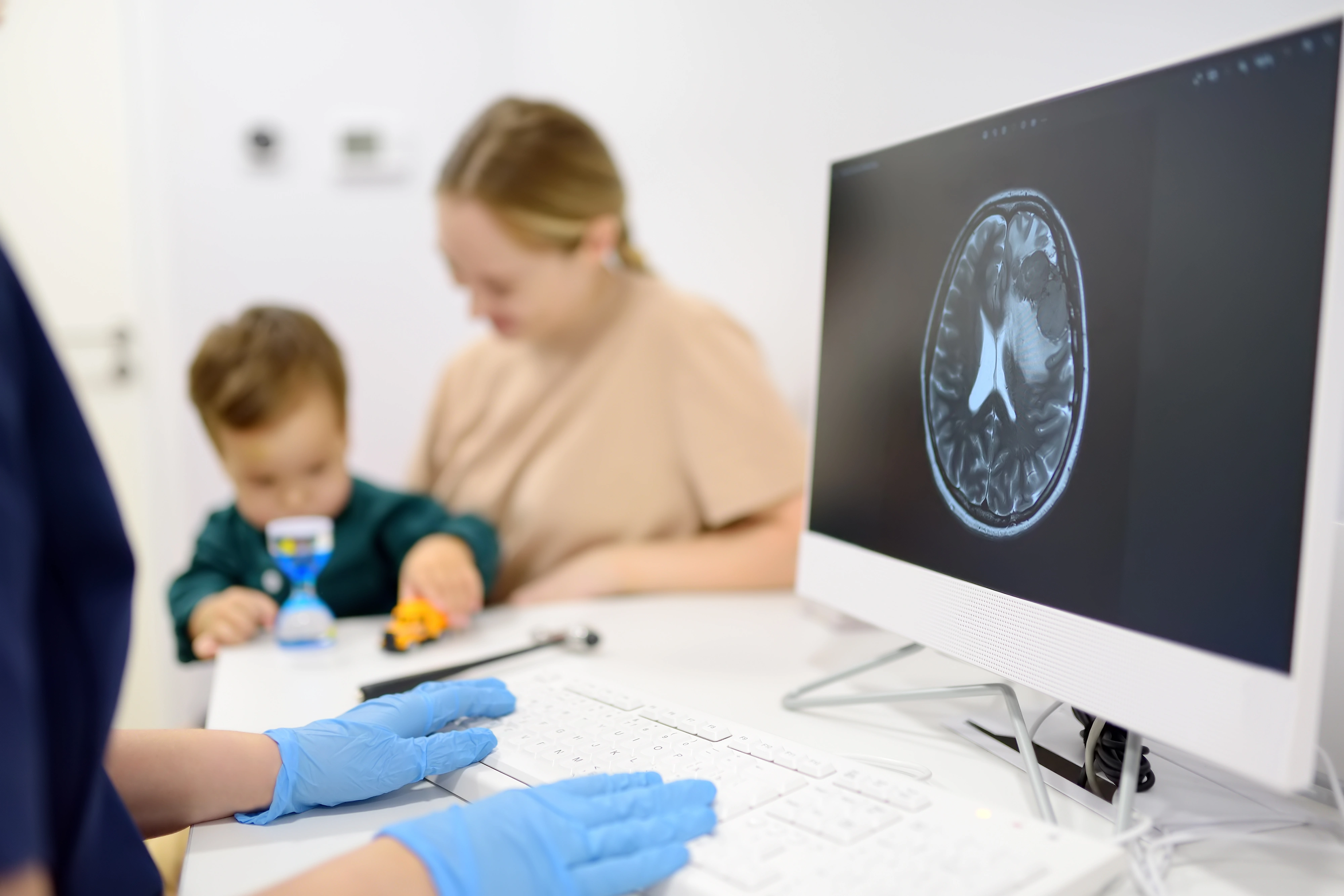
Paediatric neurosurgery in Dubai at DRFK Turkish Medical Center provides advanced surgical care for brain tumours, hydrocephalus, epilepsy, and congenital neurological disorders in children, using microsurgical precision, neuronavigation, and dedicated paediatric neuro-ICU support. Op. Dr. Fatih Kırar, a DHA-licensed paediatric neurosurgeon in Dubai, leads the neurosurgical team alongside Dr. Hatiçenur Kırar and Dr. Mehmet Öztürk for a fully integrated, multidisciplinary paediatric brain surgery programme.
DRFK Turkish Medical Center is located at Villa 2, Al Athar Street, Jumeirah 3, Dubai. The clinic is easily accessible from Jumeirah, Umm Suqeim, Al Safa, Business Bay, and Downtown Dubai within around 15 minutes via Sheikh Zayed Road, with on-site parking available.
DRFK’s paediatric neurosurgery programme in Dubai manages the full spectrum of neurological conditions requiring surgical intervention in children, from neonatal brain abnormalities to complex paediatric brain tumour surgery and medically refractory epilepsy.
Primary paediatric brain tumours, including medulloblastoma, ependymoma, low-grade glioma, craniopharyngioma, and brainstem glioma, require specialist microsurgical resection guided by neuronavigation and intraoperative neuro-monitoring (IONM). Op. Dr. Fatih Kırar performs craniotomy and keyhole tumour excision for children across all age groups, prioritising maximum safe resection and neurological preservation.
Paediatric hydrocephalus surgery addresses abnormal cerebrospinal fluid (CSF) accumulation and raised intracranial pressure, one of the most common conditions requiring paediatric neurosurgical care. Op. Dr. Fatih Kırar performs ventriculoperitoneal (VP) shunt placement and endoscopic third ventriculostomy (ETV), selecting the safest approach based on hydrocephalus cause, age, and ventricular anatomy.
Children with medically refractory epilepsy may be candidates for epilepsy surgery. Procedures at DRFK include cortical resection, hemispherectomy, corpus callosotomy, and vagus nerve stimulator (VNS) implantation, each supported by pre-operative functional MRI mapping and intraoperative cortical monitoring to protect developing pathways.
Congenital conditions, Chiari malformation, craniosynostosis, arachnoid cysts, Dandy–Walker malformation, and encephalocele, often need early specialist surgery to reduce progressive neurological injury and support healthy development. Care is tailored to the child’s anatomy and stage of growth.
Symptomatic intracranial arachnoid cysts causing raised pressure, headache, hydrocephalus, or neurological deficit are treated with endoscopic cyst fenestration or microsurgical excision, depending on cyst location, size, and clinical picture.
Intracranial haemorrhage in neonates and children, from arteriovenous malformations, aneurysmal rupture, trauma, or coagulopathy, may need emergency paediatric neurosurgical care. DRFK Turkish Medical Center supports rapid access pathways with neuro-ICU admission and multidisciplinary stabilisation when indicated.
Craniosynostosis (premature suture fusion) can alter skull and facial growth; surgery is typically planned before 12 months of age where possible to allow normal brain expansion. Op. Dr. Fatih Kırar performs endoscopic and open craniosynostosis repair in coordination with paediatrics and anaesthesia.
Chiari malformations in children are often managed with posterior fossa craniectomy and duraplasty to decompress the brainstem and restore CSF flow at the craniovertebral junction. Planning may include pre-operative MRI CSF flow studies and intraoperative ultrasound to confirm adequate decompression.
Surgery is considered only after careful clinical, neurological, and imaging assessment. Op. Dr. Fatih Kırar, paediatric neurosurgeon in Dubai, reviews each case with Dr. Hatiçenur Kırar and Dr. Mehmet Öztürk so decisions are made with clear multidisciplinary consensus and family-centred discussion.
Seek emergency evaluation immediately for: sudden loss of consciousness; a new severe seizure in a child with a known brain lesion; rapid neurological decline; or a bulging fontanelle in an infant with fever. Contact DRFK on +971 4 882 1015 or message the team via WhatsApp.
Accurate diagnosis and surgical planning for paediatric brain surgery depend on age-appropriate imaging and expert interpretation. Dr. Vivek Kapoor (Specialist Radiology, DRFK) reports paediatric neuroimaging using child-optimised protocols that aim to minimise radiation exposure and sedation whenever safely possible.
All findings are reviewed directly by Op. Dr. Fatih Kırar with the paediatric team before any surgical plan is confirmed with the child’s family.
| Diagnostic tool | Paediatric role |
|---|---|
| MRI brain, paediatric protocol | Gold standard, lesion type, location, size, and relationship to eloquent structures without ionising radiation |
| Functional MRI (fMRI) | Maps motor, language, and memory cortex in older children before tumour or epilepsy surgery |
| CT scan | Rapid assessment in emergencies, haemorrhage, hydrocephalus, acute traumatic brain injury |
| Cranial ultrasound | Neonatal screening for intraventricular haemorrhage and congenital brain abnormalities |
| MRI spectroscopy | Supports tumour grade differentiation in paediatric lesions |
| EEG | Seizure mapping and pre-surgical epilepsy evaluation |
| Pre-operative blood panel | Coagulation screen, full blood count, and anaesthetic fitness |
Op. Dr. Fatih Kırar performs the full range of paediatric neurosurgical techniques with age-specific anaesthetic protocols, child-scaled microsurgical instrumentation, and monitoring systems suited to the developing nervous system.
Tumour surgery via craniotomy uses high-magnification microsurgery with neuronavigation and continuous IONM. Bone-flap and exposure planning account for smaller calvarial dimensions, thinner bone, and proximity to eloquent cortex in the developing brain.
Duration: 2–5 hours | Typical hospital stay: 3–7 days | Recovery: often 6–10 weeks for return to full routine activity (case-dependent).
Where anatomy allows, commonly in children beyond infancy, ETV restores CSF flow through the floor of the third ventricle via a small endoscopic corridor, avoiding a permanent shunt when the pathway is suitable.
VP shunting remains definitive for many communicating hydrocephalus patterns and when ETV is not anatomically feasible. Programmable, anti-siphon systems can be tailored to the child’s pressure dynamics with careful surgical technique to support durable function.
Keyhole and endoscopic approaches are used whenever technically safe, reducing exposure, blood loss, and recovery burden while maintaining oncological and functional goals.
Evaluation may include video-EEG, MRI, fMRI, and, in selected older children, intraoperative mapping. Resection of the epileptogenic zone uses IONM and neuronavigation; corpus callosotomy or VNS may be offered when focal resection is not indicated.
Chiari surgery decompresses the posterior fossa and augments dural capacity to normalise CSF dynamics at the foramen magnum, guided by imaging and intraoperative checks where appropriate.
Op. Dr. Fatih Kırar, Dr. Hatiçenur Kırar, and Dr. Mehmet Öztürk review history, imaging, and development together. Diagnosis, surgical plan, risks, and expected outcomes are explained to parents and guardians before any decision is made.
Age-appropriate imaging, blood tests, and anaesthetic assessment with Dr. Zahra Ghafari. Written instructions cover fasting, medicines to continue or hold, and what to bring on the day of surgery.
Surgery is performed with paediatric anaesthesia support, child-specific neuronavigation, IONM, and microinstrumentation. A parent or guardian is kept informed throughout.
Immediate post-operative care in a dedicated monitoring environment with continuous neurological, cardiovascular, and respiratory surveillance. Repeat imaging is typically arranged within 24–48 hours. Parents are supported at the bedside whenever safe and appropriate.
Discharge is commonly within 3–7 days depending on the procedure. Dr. Amina Zafar (Physiotherapy) helps structure rehabilitation; longer-term neurological and developmental follow-up is coordinated with the wider team.
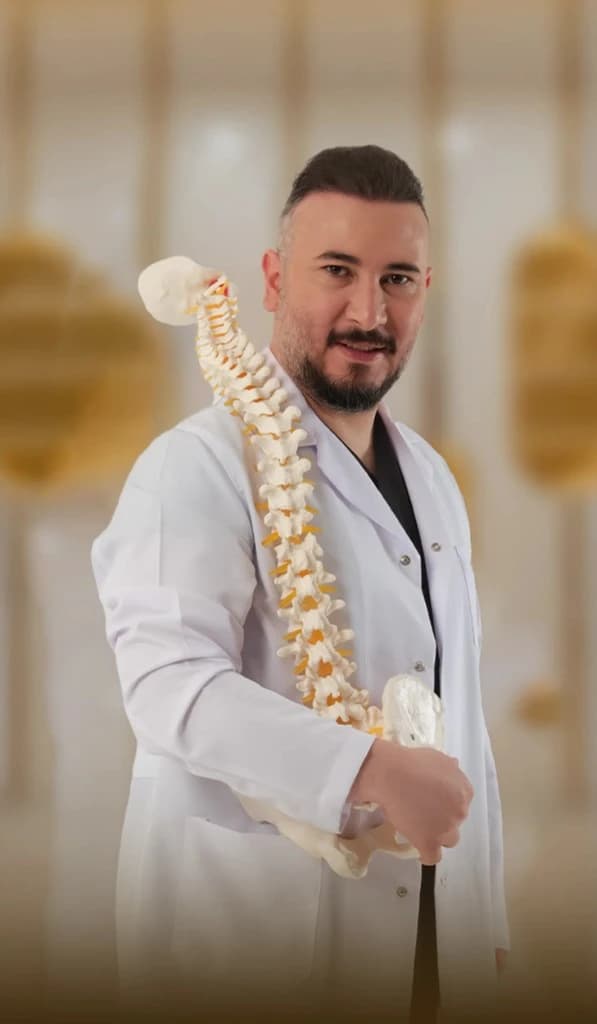
Lead specialist
Neurosurgeon, neurospine
Brain & Spine Surgery
17+ years experience
DHA License No: 20305968-001
Op. Dr. Fatih Kırar, Full ProfileOp. Dr. Fatih Kırar is the lead paediatric neurosurgeon at DRFK Turkish Medical Center. With 17+ years of specialist experience, and a Patient-centered care, he manages complex intracranial conditions in children, brain tumours, hydrocephalus, epilepsy, and congenital malformations.
“Children are not small adults, paediatric neurosurgery needs a different surgical mindset. Technique, instruments, and every decision must centre the child’s long-term neurological development.”, Op. Dr. Fatih Kırar
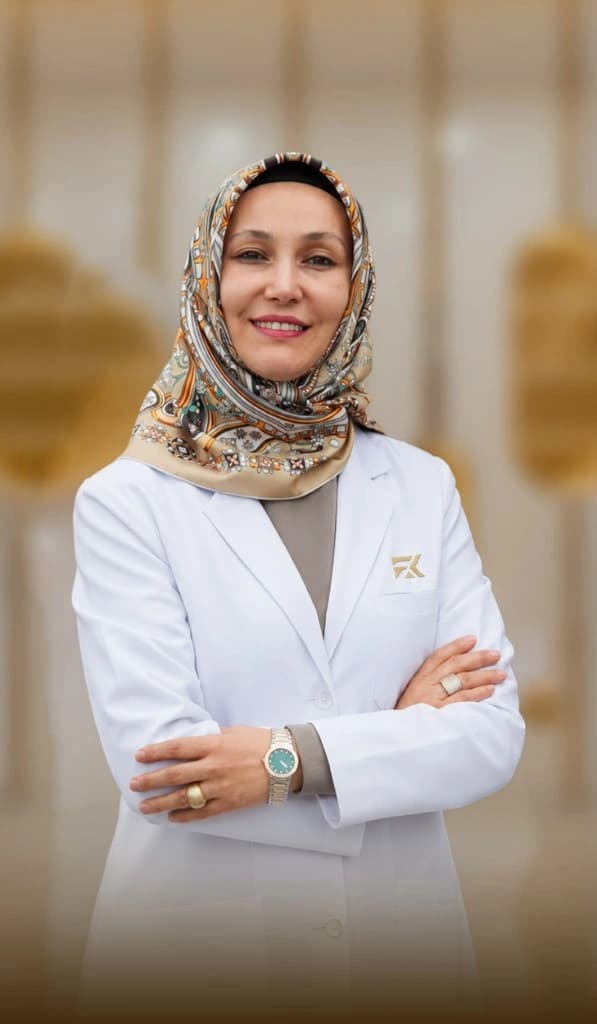
Lead specialist
Pediatrician and Pediatric Gastroenterologist
Pediatric Gastroenterology
10+ years experience
DHA License No: 88835524-001
Dr. Hatiçenur Kırar, Full ProfileDr. Hatiçenur Kırar is a paediatric gastroenterologist and CEO of DRFK Turkish Medical Center. She provides paediatric specialist oversight across child health pathways and coordinates multidisciplinary management for children undergoing neurosurgery, aligning surgical, medical, and family support.
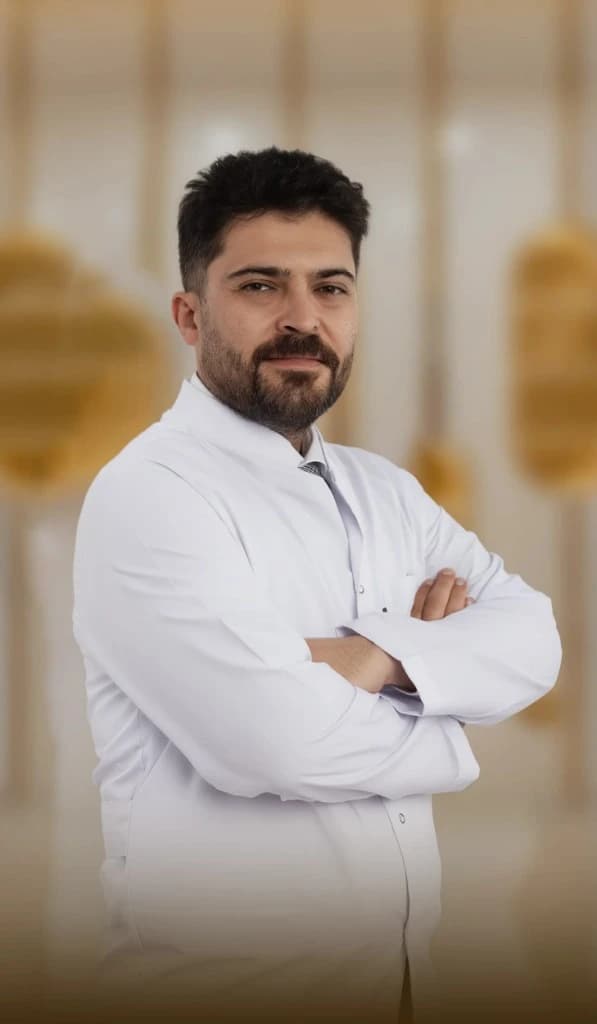
Lead specialist
Specialist Paediatrics
Pediatrics
10+ years experience
DHA License No: 11385836-001
Dr. Mehmet Öztürk, Full ProfileDr. Mehmet Öztürk is a specialist paediatrician and Chief Medical Officer. He supports paediatric clinical governance and contributes to pre-operative and post-operative care for children having neurosurgical procedures at DRFK.
Results may vary. Individual recovery depends on the child’s age, diagnosis, procedure, and pre-operative neurological baseline.
| Timeline | Recovery milestones |
|---|---|
| Days 1–3 | Paediatric neuro-ICU; post-operative MRI where indicated; neurological monitoring; age-appropriate analgesia |
| Days 3–7 | Ward care; mobilisation; oral feeding; histology processing; discharge planning |
| Weeks 1–4 | Home rest; wound care; no school or contact sport; physiotherapy with Dr. Amina Zafar; surgical and paediatric follow-up |
| Weeks 4–8 | Gradual return to school activity; neurological review; MRI follow-up arranged when needed |
| Weeks 8–12 | Return toward normal activity for many children; formal neurological assessment |
| 6–12 months+ | Ongoing surveillance MRI where indicated; developmental follow-up |
The cost of paediatric brain surgery at DRFK depends on the procedure performed, complexity, operative time, anaesthesia, and length of stay. A personalised estimate is provided after consultation, costs are not confirmed without assessing the child’s individual case.
Pre-authorisation is supported for insured families. Direct billing may be available with participating insurers. Self-pay families receive an itemised breakdown after consultation. Flexible payment options may be offered, ask patient services.
Outcomes and costs vary; a full clinical assessment is required before any estimate.
DRFK Turkish Medical Center, Villa 2, Al Athar Street, Jumeirah 3, Dubai, UAE.
Easily reachable from Jumeirah, Umm Suqeim, Al Safa, and Downtown Dubai within about 15 minutes via Sheikh Zayed Road. On-site parking is available.
Phone +971 4 882 1015 · WhatsApp via wa.me/97148821015 · email us via the contact page on drfk.ae.
Saturday to Thursday, 8:00 AM – 8:00 PM. The team aims to confirm consultation requests promptly, many families receive confirmation within about two hours during working times.
DRFK Turkish Medical Center is a DHA-licensed facility under Dubai Health Authority oversight. Neurosurgical and paediatric clinicians hold active DHA practitioner licences, verify current registration on the public DHA portal.
Experiences shared by patients after consultation or treatment.
“Came to Dr. Fatih for scoliosis treatment. He prepared a non-surgical programme combining physiotherapy and laser therapy with excellent results. Very attentive and knowledgeable doctor.”
Fatma Y. — Patient feedback
“Flew from Moscow for Dr. Fatih Kırar’s expertise. Treated with minimally invasive technique. 25+ years experience really shows. Results.”
Sergey M. — Patient feedback
“الدكتور فاتح كيرار جراح أعصاب في دبي. النتائج مذهلة والتعافي كان سريعاً جداً. أنصح به بشدة!”
Ahmed R. — Patient feedback
Medical & surgical services | Patient-centered care
Op. Dr. Fatih Kirar is a paediatric neurosurgeon in Dubai and Founder of DRFK Turkish Medical Center. With 17+ years of experience, including complex paediatric brain tumour, hydrocephalus, and congenital cases, he leads one of Dubai’s most experienced paediatric neurosurgery teams. Medically reviewed by Op. Dr. Fatih Kirar, Neurosurgery Specialist | DRFK Turkish Medical Center, Jumeirah 3, Dubai | Last updated: April 2026
Every day: 9:00 AM – 6:00 PM
Villa 2 Al Athar Street, Jumeirah 3, Dubai, United Arab Emirates