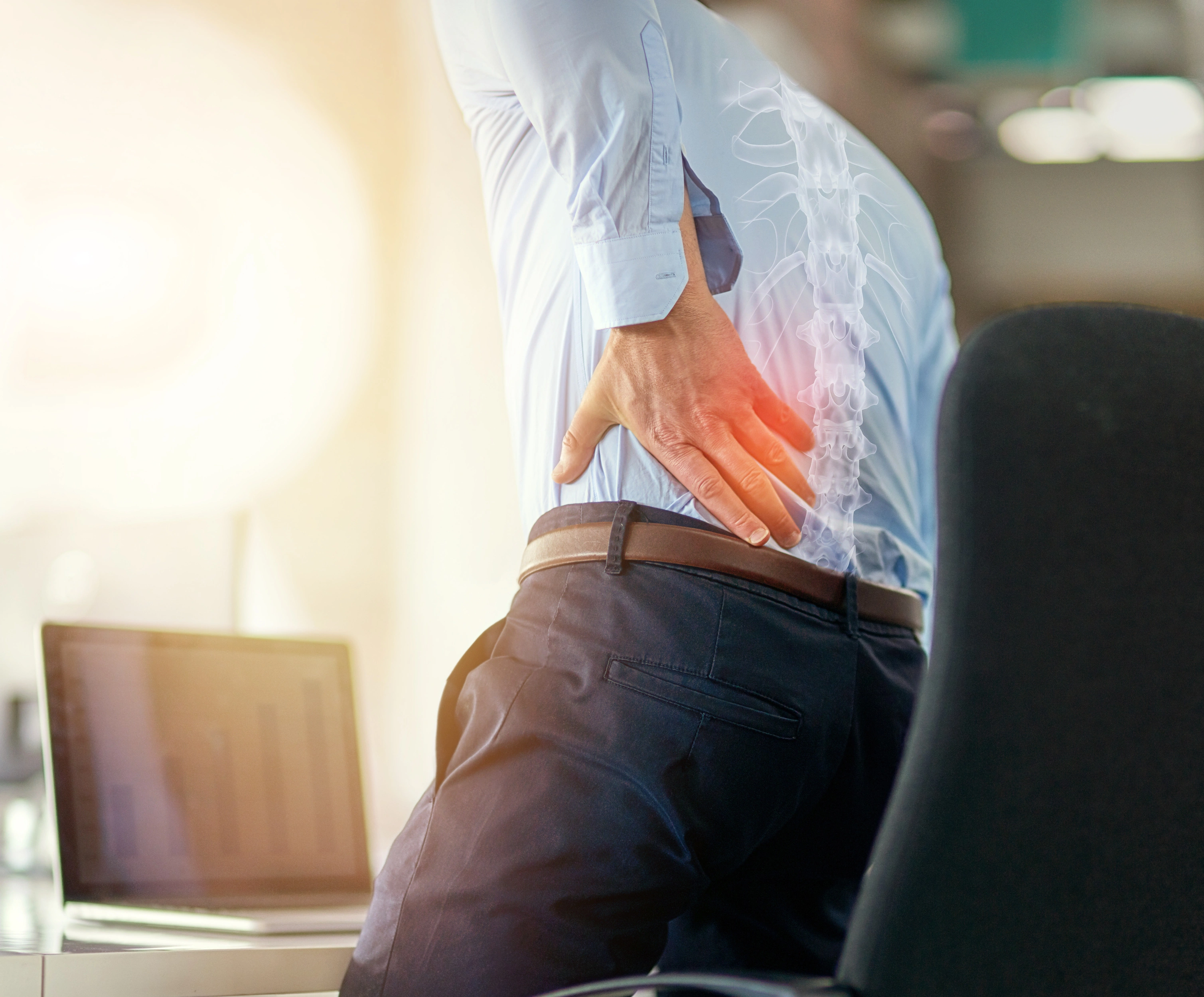
Back pain may develop from muscle strain, disc problems, nerve compression, spinal degeneration, or underlying medical conditions. Back pain treatment at DRFK Turkish Medical Center focuses on identifying the cause through clinical evaluation and diagnostic imaging, led by Op. Dr. Fatih Kırar and Dr. Layla Ahmed Najim, allowing personalised treatment that may include rehabilitation, pain management, or surgical care only when necessary.
DRFK Turkish Medical Center is located at Villa 2, Al Athar Street, Jumeirah 3, Dubai. The clinic is easily accessible from Jumeirah, Umm Suqeim, Al Safa, Business Bay, and Downtown Dubai within around 15 minutes via Sheikh Zayed Road, with on-site parking available.
Most competitor pages explain symptoms and treatment but skip the part that actually matters, what the spine is doing structurally when pain develops.
Vertebrae: the stacked bones forming the spinal column, providing structural support
Intervertebral discs: cushioning structures between vertebrae that absorb shock and allow movement
Facet joints: small joints at the back of each vertebra enabling controlled motion
Spinal cord and nerve roots: the central nervous pathway and branching nerves that can become compressed or irritated
Spinal stability: the combined function of bone, disc, ligament, and muscle that keeps the spine aligned under load
Back pain develops when any of these structures is irritated, degenerated, or compressed, which is why an accurate diagnosis matters more than treating the pain location alone.
Identifying the underlying cause through assessment and diagnostic imaging helps guide treatment recommendations tailored to the patient's symptoms and functional needs, rather than applying a generic treatment to every case.
Disc herniation: a bulging or ruptured disc compressing a nerve root, often producing sciatica
Spinal stenosis: narrowing of the spinal canal causing leg cramping, weakness, or claudication
Facet joint syndrome: posterior joint degeneration producing pain that worsens with spinal extension
Degenerative disc disease: chronic axial pain associated with disc height loss and instability
Spondylolisthesis: vertebral slippage causing pain, compression, and instability
Sciatica: radiating leg pain from lumbar nerve root compression
Musculoskeletal strain: soft tissue overload that typically responds well to conservative care
Sacroiliac dysfunction: unilateral buttock or lower back pain that can mimic disc disease
Spinal fracture: sudden, severe pain requiring urgent specialist review
Lower back pain specifically involves the lumbar spine, the region bearing the most load during standing, sitting, and lifting. Prolonged desk-based work, sedentary routines, postural loading, and age-related spinal degeneration are common contributing factors among working-age adults in Dubai. Lumbar disc problems and mechanical strain account for most cases, while a smaller proportion involves nerve compression requiring more targeted intervention.
Not every ache needs a specialist visit, but certain patterns shouldn't be left untreated.
Back pain lasting more than 2 to 3 weeks
Pain radiating to the buttock, leg, or foot
Numbness, tingling, or progressive limb weakness
Night pain, fever, or unexplained weight loss
Pain following a fall, accident, or other trauma
⚠️ Sudden bladder or bowel dysfunction with back pain may indicate cauda equina syndrome and requires urgent emergency evaluation, not a routine clinic appointment.
A spine specialist becomes the right next step once back pain moves beyond what rest, posture correction, and basic pain relief can manage on their own.
Pain persisting beyond 2 to 3 weeks despite conservative self-care
Radiating leg pain, numbness, or weakness alongside the back pain
Pain that disrupts sleep or daily function
Back pain following a clear injury or trauma
Any of the emergency red flags listed above, which require same-day or urgent assessment rather than a scheduled routine visit
| Condition | What's Happening |
|---|---|
| Herniated Disc | Disc material bulges or ruptures, compressing a nearby nerve root |
| Sciatica | Radiating leg pain from lumbar nerve root irritation or compression |
| Spinal Stenosis | Narrowing of the spinal canal, often causing leg cramping with walking |
| Degenerative Disc Disease | Chronic disc height loss and wear contributing to ongoing axial pain |
| Scoliosis | Structural curvature of the spine, sometimes contributing to pain and imbalance |
| Osteoarthritis | Joint degeneration in the facet joints producing localised, motion-related pain |
| Spinal Injuries | Fractures or acute trauma requiring urgent assessment |
Op. Dr. Fatih Kırar and Dr. Layla Ahmed Najim perform a structured history, neurological examination, and postural assessment before any treatment plan is proposed, with imaging and electrodiagnostics reviewed in-house for rapid reporting.
Matching the symptom pattern to the correct imaging is what prevents an unnecessary or mismatched treatment plan, and it's the step a structured spine specialist assessment is built around.
| Diagnostic Tool | Clinical Purpose |
|---|---|
| MRI Scan (lumbar / full spine) | Disc herniation, stenosis, nerve compression, and soft tissue pathology |
| CT Scan | Bony detail, fractures, foraminal narrowing, post-surgical anatomy |
| Standing Digital X-Ray | Alignment, spondylolisthesis grading, and degenerative change |
| Nerve Conduction Study (NCS/EMG) | Nerve root mapping to guide injection and surgical planning |
| DEXA Scan | Osteoporosis and compression fracture risk |
| Blood Panel | Screening for inflammatory or infectious red flags |
DRFK follows a clear treatment escalation, conservative care first, then interventional pain management, then minimally invasive or open surgery only when clinically indicated.
Core stabilisation and spinal strengthening, manual therapy, postural correction, ergonomic planning, and graded return-to-activity protocols, coordinated through Physiotherapy and Rehabilitation with Dr. Amina Zafar.
Epidural steroid injection for radicular pain and stenosis, facet joint injection for axial facet-mediated pain, selective nerve root block for level confirmation, and radiofrequency ablation (RFA) for chronic facet syndrome, which can provide sustained relief for 12 to 24 months in selected cases.
Surgery is treated as a last resort at DRFK rather than a default recommendation, considered specifically when:
Progressive neurological deficit is present (worsening weakness or numbness)
Structural instability or spondylolisthesis confirmed on imaging
Cauda equina risk or other neurological emergency
Persistent, disabling pain despite a genuine course of conservative treatment
Percutaneous laser disc decompression (PLDD) and endoscopic discectomy for selected herniation and sciatica cases, microdiscectomy for persistent sciatica after conservative care has failed, and laminectomy or Spine Surgery with fusion for instability or severe compression.
Most pages stop once pain resolves, but preventing recurrence is just as important as treating the original episode.
Core strengthening to support spinal load distribution over the long term
Ongoing postural correction, particularly for desk-based work common across Dubai
Ergonomic adjustments at work and home to reduce repetitive strain
Structured follow-up to catch early signs of recurrence before they escalate
Weight management and general activity levels, which influence long-term disc and joint health
| Step | What Happens |
|---|---|
| 1. Specialist Consultation | Symptom mapping and full neurological assessment |
| 2. In-House Diagnostics | MRI, CT, X-ray, or NCS with integrated specialist review |
| 3. Personalised Treatment Plan | Stepped plan with explicit criteria for escalation if needed |
| 4. Treatment Delivery | Physiotherapy, injection, minimally invasive procedure, or surgery |
| 5. Rehabilitation & Follow-Up | Ergonomic correction and recurrence-prevention planning |
| Treatment | Pain Relief Timeline | Desk Return | Full Activity |
|---|---|---|---|
| Physiotherapy programme | 4–8 weeks | Week 1 (modified) | 8–12 weeks |
| Epidural steroid injection | 3–14 days | 1–2 days | 1–2 weeks |
| Facet / selective root injection | Days to weeks | 1–2 days | 1–2 weeks |
| Radiofrequency ablation | 2–4 weeks | 3–5 days | 2–4 weeks |
| PLDD / endoscopic pathways | 1–4 weeks | 3 days–2 weeks | 3–6 weeks |
| Open decompression / fusion | 4–8 weeks | 4–10 weeks | 3–6 months |
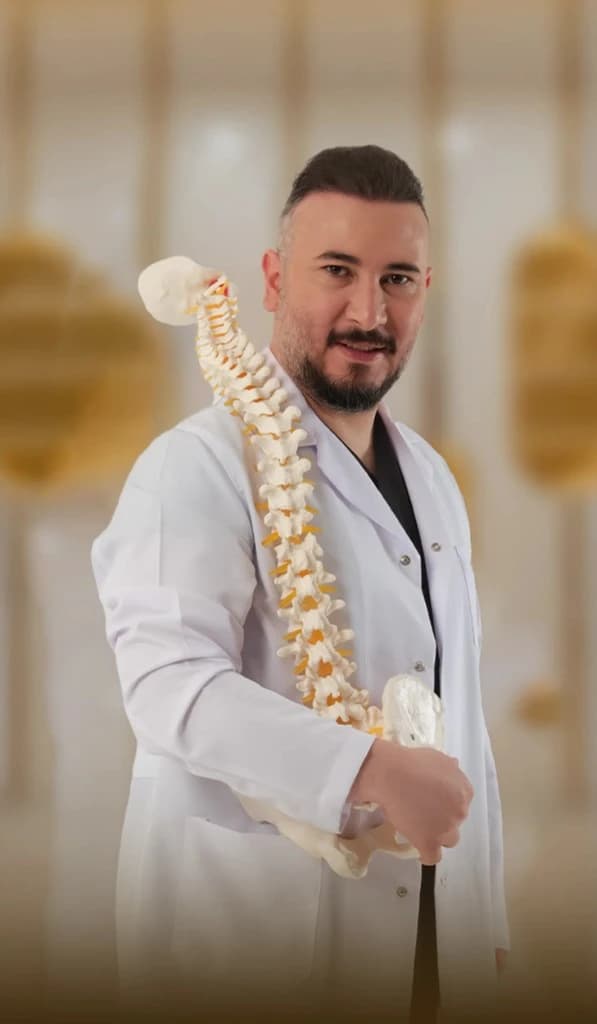
Lead specialist
Neurosurgeon, neurospine
Brain & Spine Surgery
17+ years experience
DHA License No: 20305968-001
Op. Dr. Fatih Kırar (full profile)Op. Dr. Fatih Kırar, DHA-licensed spine and neurosurgery specialist with 17+ years of experience
Dr. Layla Ahmed Najim, spine health specialist with 5,000+ dedicated spinal consultations
Full pain management capability, epidural, facet, selective nerve root block, and RFA, all in-house
Integrated physiotherapy and rehabilitation with Dr. Amina Zafar, not outsourced to a separate clinic
In-house MRI, CT, X-ray, and nerve conduction studies with rapid reporting
Clear treatment logic, conservative care first, surgery only when clinically indicated
Same-day and next-day consultation slots available when clinically appropriate
DHA-licensed facility in Jumeirah 3 with multilingual care
Cost depends on the treatment type, clinical complexity, anaesthesia needs, and follow-up requirements, so a personalised estimate is provided after specialist consultation rather than quoted upfront without assessment. Many UAE insurance plans cover clinically indicated consultation, imaging, physiotherapy, and procedures, and DRFK's patient services team supports pre-authorisation and direct billing for participating plans.
Experiences shared by patients after consultation or treatment.
“Went to Dr. Fatih Kirar for a lumbar disc herniation. Non-surgical treatment got me back on my feet in days.”
Patient testimonial — Back pain treatment review
“The team explained each step clearly. Injection plus physiotherapy helped me return to work quickly.”
Patient testimonial — Spine clinic review
Medical & surgical services | Patient-centered care
Medically reviewed by Op. Dr. Fatih Kırar and Dr. Layla Ahmed Najim, DRFK Turkish Medical Center, Jumeirah 3, Dubai.
Every day: 9:00 AM – 6:00 PM
Villa 2 Al Athar Street, Jumeirah 3, Dubai, United Arab Emirates