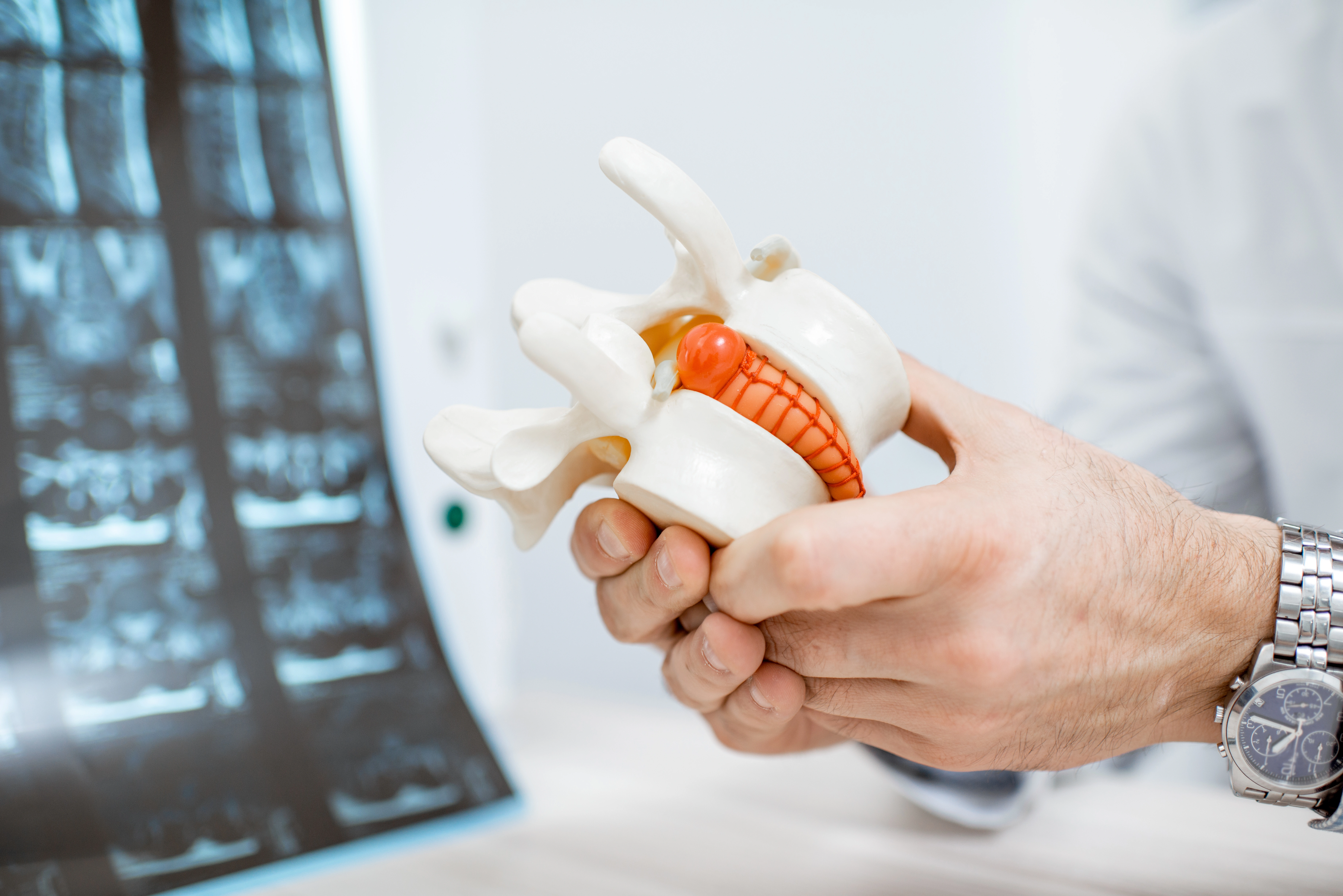
Spine tumour treatment in Dubai at DRFK is delivered by Op. Dr. Fatih Kırar, DHA-licensed spine and neurosurgery specialist (17+ years), providing surgical resection, spinal cord decompression, stabilisation, and coordination with radiotherapy and chemotherapy for primary, metastatic, benign, and malignant spinal tumours.
DRFK Turkish Medical Center is located at Villa 2, Al Athar Street, Jumeirah 3, Dubai. The clinic is easily accessible from Jumeirah, Umm Suqeim, Al Safa, Business Bay, and Downtown Dubai within around 15 minutes via Sheikh Zayed Road, with on-site parking available.
Spine tumour treatment in Dubai at DRFK is delivered by Op. Dr. Fatih Kırar, DHA-licensed spine and neurosurgery specialist (17+ years), providing surgical resection, spinal cord decompression, stabilisation, and coordination with radiotherapy and chemotherapy for primary, metastatic, benign, and malignant spinal tumours.
Spinal tumours compress the cord and nerve roots as they grow. Early specialist assessment, accurate imaging classification, and a coordinated surgical and oncological plan determine neurological preservation and long-term quality of life.
Rapidly progressive leg weakness, bilateral symptoms, new bowel or bladder changes, or night pain with known cancer require urgent imaging and MDT input.
Malignant spinal cord compression
Progressive bilateral leg weakness or bladder/bowel dysfunction with back pain is an emergency. Call 999 or go to the nearest emergency department immediately. Do not call a clinic first.
Surgery is considered for diagnosis, decompression, stabilisation, or local control when benefit is clear. Radiotherapy, systemic therapy, or observation may be preferred in other cases, explained individually at consultation.
Physiotherapy with Dr. Amina Zafar and structured surveillance support walking tolerance, trunk control, and return to activity while respecting bone and wound limits.
A spinal tumour is any abnormal growth within or adjacent to the spinal column, differing in location, cell type, behaviour, and treatment. Classification determines whether management is observation, radiotherapy, chemotherapy, or surgery.
Primary tumours arise from spinal structures, bone, meninges, nerve sheaths, or cord parenchyma.
Metastatic tumours spread from lung, breast, prostate, kidney, and thyroid, the most common presentation to a spine tumour specialist in Dubai (30–70% of cancer patients). Thoracic spine is the most common metastatic site.
Treatment is most effective before irreversible cord damage.
Malignant spinal cord compression is a neurological emergency. Call 999 immediately or attend the nearest emergency department. Do not call a clinic first.
Lead specialist
Neurosurgeon, neurospine
Brain & Spine Surgery
17+ years experience
DHA License No: 20305968-001
View full profileOp. Dr. Fatih Kırar's pathway: urgent MRI with gadolinium within 24–48 hours, reviewed by Dr. Vivek Kapoor, discussed with patient and family before treatment is confirmed.
| Diagnostic tool | Spinal tumour application |
|---|---|
| MRI spine with gadolinium | Gold standard, location, compression, intradural vs extradural |
| MRI whole spine | Essential for metastatic disease, all levels |
| CT spine | Bone destruction, fracture risk, planning |
| CT chest/abdomen/pelvis | Primary cancer search in metastatic presentation |
| PET scan | Coordinated at specialist nuclear medicine centre where clinically indicated |
| Biopsy | Histology mandatory before RT/chemotherapy |
| Neurological examination | Frankel / ASIA grading |
| Blood panel | FBC, tumour markers, calcium, renal function, coagulation |
Treatment decision flow: tumour type and stage confirmed → surgical indication assessed → surgery / radiotherapy / chemotherapy / observation selected individually.
| Treatment | Goal | Indication | Limitation |
|---|---|---|---|
| Decompressive surgery | Immediate cord decompression | Neurological deficit, instability | Does not control systemic disease |
| Tumour resection | Curative or cytoreduction | Benign tumour, solitary metastasis | Not curative if disseminated |
| Radiotherapy | Local control | Radiosensitive tumours | Not immediate for cord emergency |
| Stereotactic radiosurgery | Local ablation | Small defined lesions | Limited multi-level disease |
| Chemotherapy | Systemic control | Lymphoma, myeloma | Not directly decompressive |
| Vertebroplasty / kyphoplasty | Stabilisation | Pathological fracture | Does not remove tumour |
| Combined surgery + RT | Maximum local control | Solitary metastasis, good prognosis | Requires coordination |
Continuous neurological monitoring, post-operative MRI within 48 hours, structured analgesia, mobilisation within 24–48 hours when safe.
Physiotherapy with Dr. Amina Zafar from first week of discharge, rehabilitation is not optional; it translates surgical success into function.
Lead specialist
Neurosurgeon, neurospine
Brain & Spine Surgery
17+ years experience
DHA License No: 20305968-001
Op. Dr. Fatih Kırar, Full profileFounder, DRFK. DHA-licensed spine tumour specialist, 17+ years. Integrated neurology-neurosurgery from MRI grading through resection, stabilisation, and oncology coordination.
Cost depends on procedure, resection complexity, instrumentation, hospital stay, and oncological coordination, personalised estimate after consultation. Most UAE plans cover clinically indicated spinal tumour treatment with pre-authorisation managed by our team.
Gadolinium MRI within 24–48 hours; reviewed by Dr. Vivek Kapoor.
Extradural, intradural, and intramedullary pathways with IONM.
Instrumentation, cage reconstruction, vertebroplasty/kyphoplasty when indicated.
Radiotherapy and chemotherapy timing integrated with surgical planning.
MRI at 3 months; annual review for benign tumours.
Bring all prior MRI/CT reports and oncology letters to consultation
Do not delay assessment if weakness or bladder function changes
Follow spine precautions exactly after surgery
Keep a symptom diary for MDT reviews
Attend all scheduled surveillance MRI appointments
Medically reviewed by Op. Dr. Fatih Kırar, Spine & Neurosurgery Specialist | DRFK Turkish Medical Center, Jumeirah 3, Dubai | Last updated: April 2026
Every day: 9:00 AM – 6:00 PM
Villa 2 Al Athar Street, Jumeirah 3, Dubai, United Arab Emirates