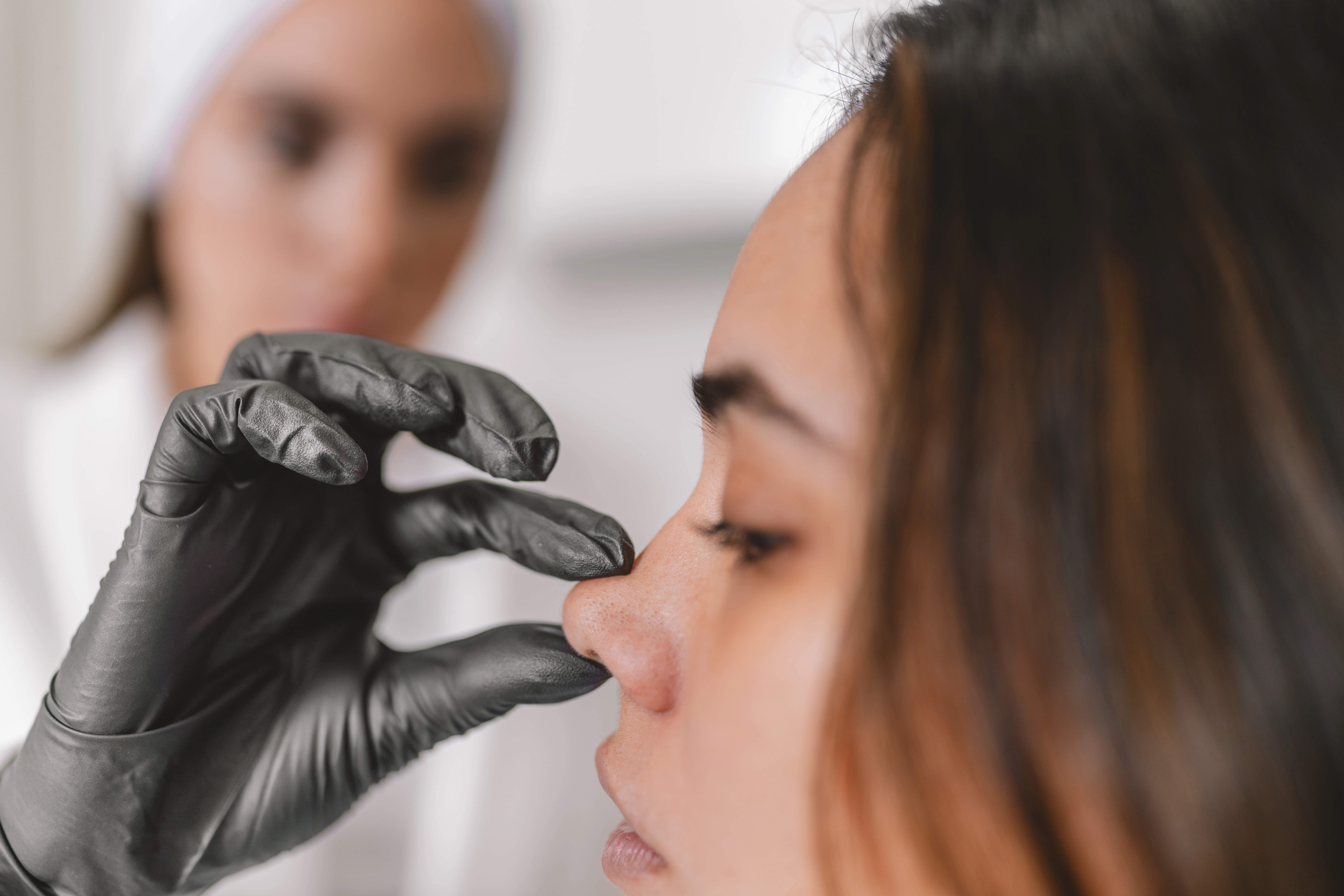
Nose plastic surgery in Dubai at DRFK Turkish Medical Center is performed by Dr. Ece Kalafatlar Gül, FEBOPRAS-certified Specialist in Plastic, Reconstructive & Aesthetic Surgery (DHA-licensed, 12+ years), delivering rhinoplasty for cosmetic nasal reshaping, functional breathing correction, and post-trauma reconstruction. The complete programme covers open and closed techniques, septoplasty, ethnic rhinoplasty, nasal tip refinement, and revision rhinoplasty with natural, harmonious outcomes.
DRFK Turkish Medical Center is located at Villa 2, Al Athar Street, Jumeirah 3, Dubai. The clinic is easily accessible from Jumeirah, Umm Suqeim, Al Safa, Business Bay, and Downtown Dubai within around 15 minutes via Sheikh Zayed Road, with on-site parking available.
This page covers the full range of nose plastic surgery options. For patients specifically interested in closed technique, visit our dedicated closed rhinoplasty page.
When hump, tip, septal deviation, and valve issues coexist, DRFK plans one safe surgical episode where appropriate, with honest staging when revision or healing demands a second stage.
Before any nose plastic surgery in Dubai can be planned, understanding nasal structure determines what change is possible, how results are maintained, and what complications arise when anatomy is inadequately respected.
Nasal bones form the upper third; hump reduction requires controlled osteotomy with precise bone-healing planning.
Cartilage framework supports the middle vault (upper lateral cartilages) and tip (lower lateral / alar cartilages).
The nasal septum provides dorsal and tip support and forms the medial airway wall, septal deviation causes obstruction.
The nasal airway depends on internal and external valves and turbinates; width reduction without valve support can worsen breathing.
Skin thickness varies from thin at the bridge to thick sebaceous at the tip, Dr. Ece Kalafatlar Gül assesses skin type at every consultation as a primary determinant of achievable refinement.
Cosmetic rhinoplasty changes external appearance when nasal function is not impaired, typically self-pay.
Functional rhinoplasty (septorhinoplasty) corrects structural abnormalities impairing breathing, septal deviation, collapsed internal valve, alar weakness, and may qualify for UAE insurance with documentation.
At DRFK, every rhinoplasty consultation includes nasal airway assessment to identify functional components before cosmetic planning.
Columellar access allows full visualisation, preferred for complex tip work, major hump reduction, reconstruction, and grafting. Duration typically 2–3.5 hours; social return often 2–3 weeks.
Internal incisions only, scar-free columella for selected mild-to-moderate cases with faster early recovery.
Straightens deviated septum; often combined with cosmetic rhinoplasty (septorhinoplasty) when both goals are indicated.
Identity-preserving refinement within heritage aesthetic proportions, not a Caucasian template imposed on non-Caucasian facial structure.
Isolated tip shape, projection, rotation, symmetry, and width, open or closed approach by complexity.
Bridge augmentation with autologous cartilage or hump reduction via controlled rasping and osteotomy.
Alar base reduction narrows external width when genuinely disproportionate; inappropriate reduction in patients without true alar excess causes distortion.
Correction of unsatisfactory prior rhinoplasty, among the most demanding procedures due to scar tissue, cartilage deficiency, and altered anatomy. Dr. Ece Kalafatlar Gül performs primary and revision rhinoplasty with 12+ years.
The surgeon selects technique based on anatomy, not patient preference alone when open access is required for a safe, complete result.
| Open rhinoplasty | Closed rhinoplasty | |
|---|---|---|
| Incision | External columella + internal | Internal only |
| Scar | Columellar scar (usually fades well) | None |
| Visualisation | Complete direct view | Limited through ports |
| Complexity | All cases including revision | Mild to moderate primary cases |
| Tip control | Maximum | Good for moderate correction |
| Grafting | Easily performed | Limited options |
| Swelling / recovery | Slightly longer | Typically shorter |
| Best for | Hump + complex tip, reconstruction, revision | Hump-only, mild tip, simple primary |
Splint in place; peak swelling days 2–3; mouth breathing; elevation and cold compresses; splint often removed day 7.
Desk work often 1–2 weeks; socially presentable for many; avoid glasses, contact sport, and sun.
Deeper swelling resolves; tip remains swollen longer in thick skin, not representative of final shape.
Majority of swelling resolved; columellar scar fading. Thin-skinned patients may see near-final profile as early as 8–12 weeks.
Final result assessment; do not judge rhinoplasty before 3–6 months, you are evaluating a healing, swollen nose.
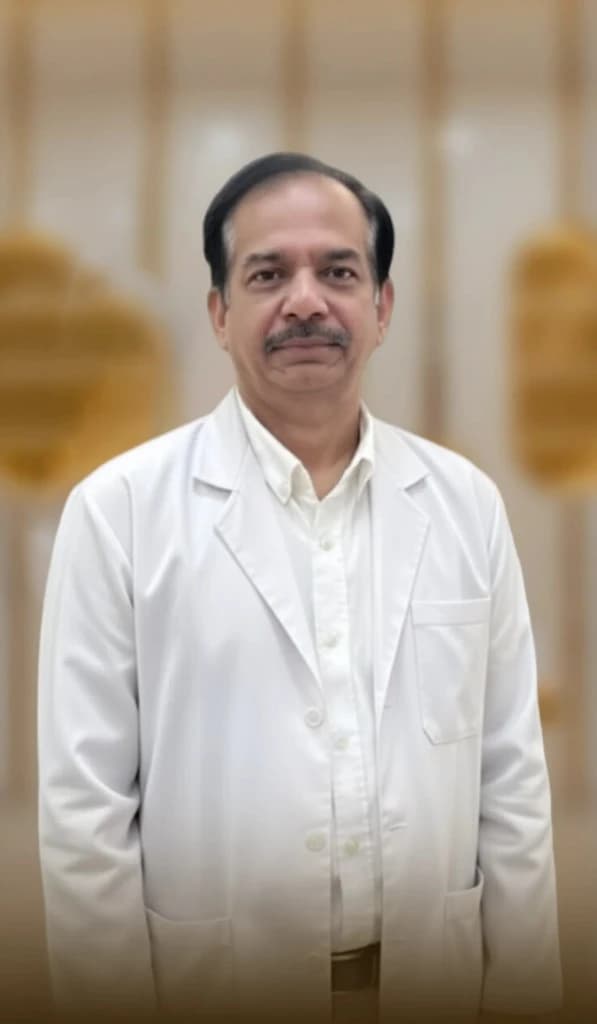
Lead specialist
Specialist Radiology
Diagnostic Imaging & Interventional Radiology
25+ years experience
DHA License No: 00219919-003
Diagnostic imaging, Dr. Vivek Kapoor
Lead specialist
Specialist in Plastic, Reconstructive & Aesthetic Surgery
Plastic & Aesthetic Surgery
12+ years experience
Dr. Ece Kalafatlar Gül, Full profileFEBOPRAS-certified Specialist in Plastic, Reconstructive & Aesthetic Surgery at DRFK, DHA-licensed, 12+ years. Dedicated rhinoplasty practice: primary cosmetic reshaping, ethnic rhinoplasty, functional septorhinoplasty, and revision rhinoplasty.
Languages: Turkish, English.
"a rhinoplasty result looks like you, refined, harmonious, and natural.", Dr. Ece Kalafatlar Gül
Cost depends on technique (open vs closed), complexity, and whether septoplasty is included, personalised estimate after consultation with Dr. Ece Kalafatlar Gül.
Cosmetic rhinoplasty is self-pay. Functional septorhinoplasty with documented obstruction may qualify for insurance, our team manages pre-authorisation.
Airway assessment, photographic analysis, technique recommendation, and written plan.
Complex tip, major hump, grafting, and revision cases.
Selected primary cases without columellar scar when anatomy permits.
Combined aesthetic and functional correction in one episode when indicated.
Identity-preserving ethnic techniques and complex secondary surgery.
Stop blood thinners and supplements only as directed by your surgical team
Bring reference photos and a full medication list to consultation
Avoid glasses resting on the nasal bridge until cleared
No contact sports or heavy lifting until your surgeon approves
Use sun protection on healing skin and scars
Medically reviewed by Dr. Ece Kalafatlar Gül, Specialist in Plastic, Reconstructive & Aesthetic Surgery | DRFK Turkish Medical Center, Jumeirah 3, Dubai | Last updated: April 2026
Every day: 9:00 AM – 6:00 PM
Villa 2 Al Athar Street, Jumeirah 3, Dubai, United Arab Emirates