DRFK Turkish International
Health Unit

Migraine Treatment in Dubai

Migraine is more than a headache, it's a complex neurological condition affecting 1 in 7 adults. DRFK offers modern, evidence-based migraine care including CGRP therapy, Botox and trigger management to help you regain your quality of life.

Migraine Treatment in Dubai
Health Unit

DRFK Turkish Medical Center is located at Villa 2, Al Athar Street, Jumeirah 3, Dubai. The clinic is easily accessible from Jumeirah, Umm Suqeim, Al Safa, Business Bay, and Downtown Dubai within around 15 minutes via Sheikh Zayed Road, with on-site parking available.

Need a Consultation?

Book your appointment with our expert specialists today.

Understanding Migraine

Migraine attacks involve throbbing pain (usually one-sided), nausea, and sensitivity to light and sound, often lasting 4–72 hours. Recognising aura, triggers and patterns is key to effective treatment.

Common Triggers We Identify

Triggers vary by individual but often include:

  • Stress and emotional strain
  • Sleep disturbance (too little or too much)
  • Hormonal changes (menstrual cycle)
  • Dehydration and skipped meals
  • Specific foods (aged cheese, chocolate, processed meats)
  • Weather and barometric pressure changes

What Is Migraine? Understanding the Neurological Disease

Migraine is a chronic neurological condition characterised by recurrent episodes of moderate to severe head pain, typically unilateral, pulsating, and lasting 4–72 hours, associated with nausea, vomiting, and heightened sensitivity to light and sound. It involves abnormal neuronal activation in the trigeminal pathway, cortical spreading depolarisation, and central sensitisation. Migraine is the second most disabling disease globally.

Types of Migraine

  • Migraine Without Aura: Most common form. Moderate to severe unilateral pulsating head pain, worsened by activity. Episodes last 4–72 hours untreated.
  • Migraine With Aura: Reversible neurological symptoms, visual disturbances (scintillating scotoma, zig-zag lines), sensory aura, speech disturbance, occurring 20–60 minutes before headache.
  • Chronic Migraine: Headache on 15+ days per month for 3+ months, with at least 8 days meeting migraine criteria. Requires comprehensive preventive strategy.
  • Hemiplegic Migraine: Temporary motor weakness (hemiplegia) as part of the aura. Rare but important, standard triptans are contraindicated.
  • Vestibular Migraine: Episodic vertigo, dizziness, and balance disturbance, most common cause of spontaneous episodic vertigo in adults.
  • Menstrual Migraine: Triggered by oestrogen withdrawal of the perimenstrual period, attacks are often more severe and longer lasting.

Migraine Symptoms, The Four Phases

  • Prodrome (hours to days before): Mood change, yawning, food cravings, neck stiffness, increased thirst, fatigue.
  • Aura (20–60 minutes before headache): Visual disturbances, sensory symptoms, speech disturbance.
  • Headache phase (4–72 hours): Moderate to severe unilateral pulsating pain. Nausea, vomiting. Photophobia, phonophobia. Worsening with movement.
  • Postdrome (up to 48 hours after): Fatigue, cognitive slowing ("brain fog"), residual head tenderness.

Common Migraine Triggers in Dubai

  • Sleep disruption, inadequate sleep, irregular timing, jet lag from frequent travel
  • Dehydration, inadequate fluid intake in Dubai's heat and air-conditioned environments
  • Meal skipping, irregular eating patterns common in Dubai's working culture
  • Prolonged screen exposure, extended screen use without adequate breaks
  • Bright light and glare, Dubai's intense outdoor sunlight and fluorescent office lighting
  • Work pressure and deadline stress; emotional distress and anxiety
  • Hormonal fluctuation, perimenstrual triggers in women
  • Dietary: alcohol (especially red wine), caffeine withdrawal, processed foods with nitrites/MSG

Migraine Diagnosis at DRFK

InvestigationIndication
MRI BrainNew headache with red flags, atypical aura, neurological deficit, change in established pattern
MRI Brain with ContrastSuspected intracranial mass, meningeal pathology
Blood PanelInflammatory markers, thyroid function, secondary headache exclusion
Neurological ExaminationFormal cranial nerve, motor, sensory, and reflex assessment at every consultation

Migraine Treatment, Acute and Preventive

Acute Migraine Treatment, Stopping Attacks

  • Triptans (gold standard): Selective 5-HT1B/1D receptor agonists, most effective for moderate-to-severe migraine. Multiple formulations available. Not suitable for cardiovascular disease, hemiplegic or basilar migraine.
  • NSAIDs and combination analgesia: For mild-to-moderate attacks. Optimising choice, dose, and timing significantly improves outcomes.
  • Anti-emetics: Domperidone and metoclopramide, for nausea and to improve oral medication absorption.
  • CGRP receptor antagonists (gepants): Newer oral option for triptan-intolerant patients; can also be used preventively.

Preventive Migraine Treatment, Reducing Attack Frequency

  • Beta-blockers (propranolol, metoprolol): First-line, reduces attack frequency by 50% in ~50% of patients.
  • Topiramate: Effective preventive agent, careful dose titration required.
  • Amitriptyline: Low-dose tricyclic, effective when sleep disturbance and tension-type headache are present.
  • Candesartan / lisinopril: Antihypertensive agents with migraine preventive evidence.
  • CGRP monoclonal antibodies (erenumab, fremanezumab, galcanezumab): Most significant advance in migraine prevention, injectable monthly/quarterly. Indicated when 2+ preventive medications have failed.
  • Botox (onabotulinumtoxin A): Licensed specifically for chronic migraine (15+ headache days/month). 31 injection sites every 12 weeks, average 8–9 fewer headache days/month.

Chronic Migraine, The Three Pillars of Management

  • Pillar 1, Medication overuse identification and withdrawal: Affects up to 50% of patients with daily/near-daily headache. Supervised withdrawal with bridging therapy.
  • Pillar 2, Preventive therapy optimisation: Systematic evidence-based escalation; 3-month response assessment; CGRP antibody/Botox when first-line agents fail.
  • Pillar 3, Lifestyle and trigger modification: Sleep regularisation, hydration, meal timing, screen management, stress reduction, caffeine regulation.

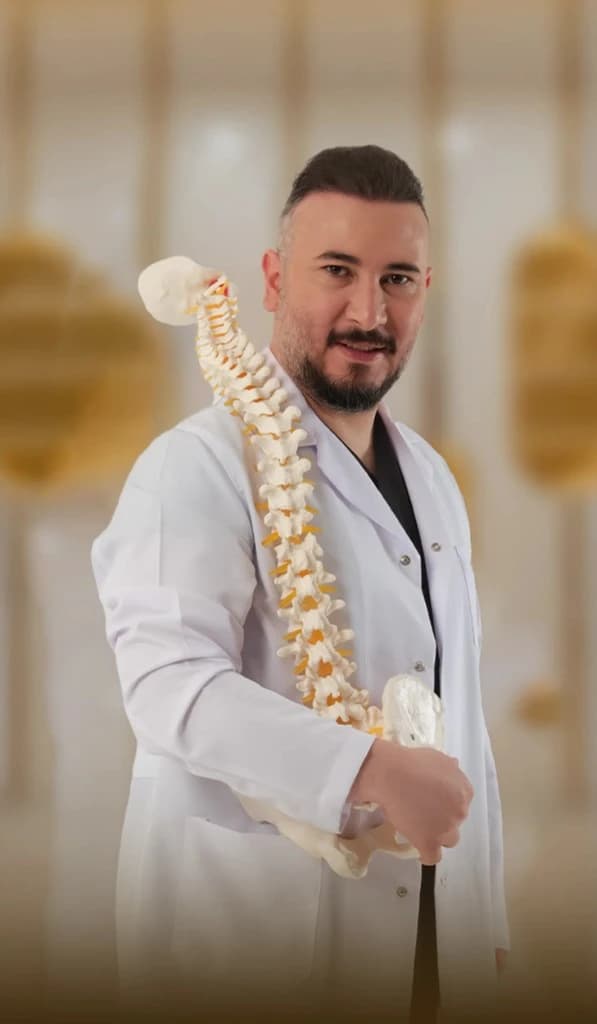
Meet Op. Dr. Fatih Kırar: Migraine & Headache Specialist in Dubai

Op. Dr. FATIH KIRAR

Lead specialist

Op. Dr. FATIH KIRAR

Neurosurgeon, neurospine

Brain & Spine Surgery

17+ years experience

DHA License No: 20305968-001

Op. Dr. Fatih Kırar, Full Profile

Op. Dr. Fatih Kırar leads migraine and headache assessment at DRFK with 17+ years of neurological and neurosurgical experience, structured acute and preventive treatment planning, and in-house MRI coordination when red flags require exclusion.

  • 17+ Years · Procedures · DHA-Licensed
  • Acute · Preventive · Chronic Migraine · Medication Overuse Pathways

Why Choose DRFK for Migraine Treatment in Dubai

  • Specialist headache consultation, structured neurological assessment, not a 5-minute prescription renewal
  • Full acute and preventive treatment range: triptans, NSAIDs, anti-emetics, beta-blockers, topiramate, amitriptyline, CGRP antagonists, Botox for chronic migraine
  • Chronic migraine programme: medication overuse withdrawal, structured preventive escalation, CGRP monoclonal antibody assessment
  • In-house MRI with same-day reporting by Dr. Vivek Kapoor, red flag exclusion within the same clinical episode
  • Neurosurgical coordination: Op. Dr. Fatih Kırar available within the same DRFK multidisciplinary team
  • DHA-licensed facility, multilingual consultations: English, Arabic, Turkish
  • Same-day and next-day appointments, typically available within 24–48 hours

Common Procedures

Migraine Assessment

Detailed history, neurological examination and headache diary analysis.

CGRP Monoclonal Antibodies

Monthly/quarterly injections (Ajovy, Aimovig) for frequent migraine prevention.

Botox Therapy

For chronic migraine, delivered to 31 head/neck sites every 12 weeks.

Acute Rescue Therapy

Triptans, gepants and anti-nausea medications for fast attack relief.

Lifestyle Coaching

Trigger elimination, sleep optimisation and mindfulness training.

Recovery and Aftercare

  • Acute treatment provides relief within 1–2 hours
  • Preventive therapy reduces frequency 50% within 3 months
  • Botox peak effect at 4–6 weeks; reassessed quarterly
  • CGRP antibodies evaluated at 3-month intervals
  • Long-term prevention programme over 12 months

Expert Tips

1

Keep a headache diary, identify your unique trigger pattern

2

Eat at regular times; avoid prolonged fasting

3

Aim for 7–8 hours of consistent sleep each night

4

Treat attacks early, medication works within the first hour

Frequently Asked Questions

Contact Us

Opening hours

Every day: 9:00 AM – 6:00 PM

Address

Villa 2 Al Athar Street, Jumeirah 3, Dubai, United Arab Emirates