DRFK Turkish International
TMJ Disorders and Occlusion Therapy
Dental Units

TMJ Disorders and Occlusion Therapy

Specialized diagnosis and treatment of temporomandibular joint disorders and bite problems to relieve pain, restore function, and improve quality of life.

TMJ Disorders and Occlusion Therapy
Dental Units

TMJ Disorders and Occlusion Therapy

About TMJ Disorders and Occlusion Therapy

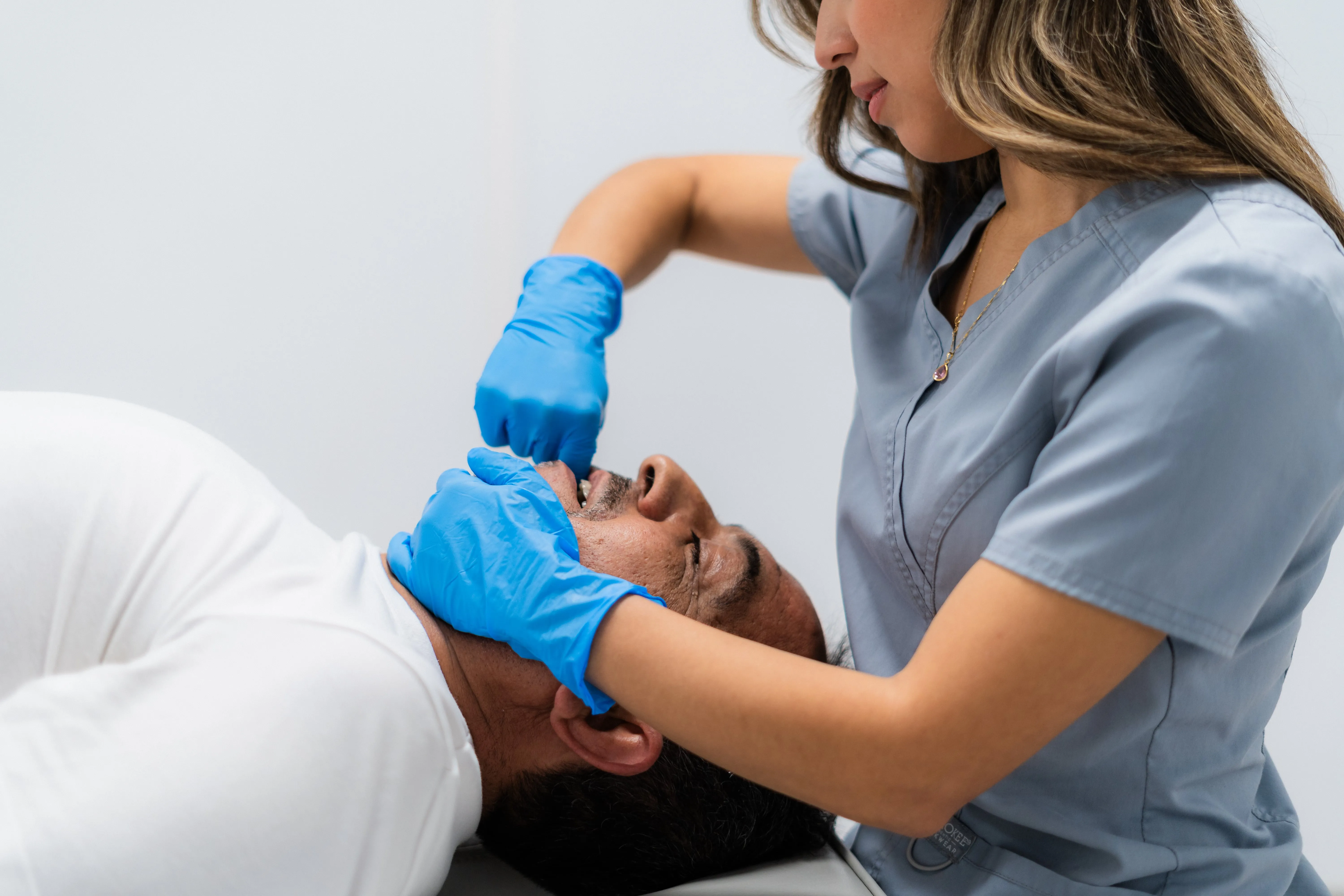
Temporomandibular Joint (TMJ) Disorders are conditions affecting the jaw joint and surrounding muscles, often leading to pain, difficulty in movement, and bite problems. Occlusion therapy focuses on correcting how the upper and lower teeth come together to improve function and reduce discomfort. Our specialists combine advanced diagnostic techniques with comprehensive treatment approaches to address both TMJ disorders and occlusion problems, providing relief and restoring normal jaw function.

Main Causes of TMJ Disorders

TMJ disorders can result from various factors:

  • Teeth grinding or clenching (bruxism): Habitual grinding or clenching of teeth, often during sleep, places excessive stress on the TMJ and surrounding muscles.
  • Jaw injuries or trauma: Physical injury to the jaw, face, or neck can damage the TMJ or surrounding structures, leading to dysfunction.
  • Arthritis affecting the temporomandibular joint: Inflammatory conditions like osteoarthritis or rheumatoid arthritis can affect the TMJ, causing pain and limited movement.
  • Misaligned bite or occlusion issues: Improper alignment of teeth and jaws can create abnormal forces on the TMJ, leading to dysfunction and pain.
  • Stress-related muscle tension: Emotional stress and tension can cause muscle tightness in the jaw and face, contributing to TMJ problems.
  • Dental procedures or changes: Changes in bite due to dental work, missing teeth, or improper restorations can affect TMJ function.

Common Symptoms

TMJ disorders can cause various symptoms:

  • Jaw pain or tenderness: Pain in the jaw joint, face, or surrounding muscles, often worse in the morning or after chewing.
  • Clicking, popping, or locking of the jaw: Audible sounds or sensations when opening or closing the mouth, sometimes with limited jaw movement.
  • Difficulty chewing or speaking: Problems with normal jaw function affecting eating and communication.
  • Headaches, earaches, or facial discomfort: Pain that may radiate to the head, ears, neck, or shoulders.
  • Uneven or uncomfortable bite: Sensation that teeth don't fit together properly or bite feels off.
  • Tinnitus or ear fullness: Ringing in the ears or sensation of fullness, often related to TMJ dysfunction.

Treatment Approaches

Our comprehensive treatment options include:

  • Occlusal splints or bite guards to prevent grinding: Custom-made appliances worn at night or during the day to protect teeth and reduce TMJ stress.
  • Physical therapy and jaw exercises: Therapeutic exercises to strengthen muscles, improve flexibility, and restore normal jaw function.
  • Pain management with medication: Medications to reduce inflammation, relieve pain, and relax muscles as part of comprehensive treatment.
  • Stress reduction and relaxation techniques: Counseling and techniques to manage stress and reduce muscle tension contributing to TMJ problems.
  • Corrective dental procedures or orthodontic treatments: Dental treatments to correct bite problems and restore proper occlusion.
  • Botox injections for muscle relaxation: Targeted injections to relax overactive jaw muscles and reduce pain and tension.
  • Surgical intervention (when necessary): Advanced surgical procedures for severe cases that don't respond to conservative treatments.

Common Procedures

TMJ Evaluation and Diagnosis

Comprehensive examination including clinical assessment, imaging, and bite analysis to accurately diagnose TMJ disorders and occlusion problems.

Occlusal Splints and Bite Guards

Custom-made appliances to protect teeth from grinding, reduce TMJ stress, and correct bite problems, worn at night or during the day as needed.

Bite Adjustment (Occlusal Equilibration)

Precise adjustment of tooth surfaces to improve bite alignment and reduce abnormal forces on the TMJ, restoring proper occlusion.

Physical Therapy and Jaw Exercises

Therapeutic exercises and manual therapy techniques to strengthen muscles, improve jaw mobility, and reduce pain and tension.

Botox Therapy

Targeted Botox injections to relax overactive jaw muscles, reduce grinding and clenching, and alleviate TMJ pain and tension.

Orthodontic Treatment

Braces or clear aligners to correct bite problems and jaw alignment, addressing underlying causes of TMJ disorders.

Medication Management

Prescribed medications including anti-inflammatories, muscle relaxants, and pain relievers to manage symptoms and support healing.

Stress Management Counseling

Counseling and relaxation techniques to address stress-related factors contributing to TMJ disorders and muscle tension.

Surgical Intervention

Advanced surgical procedures including arthroscopy or open joint surgery for severe cases that don't respond to conservative treatments.

Treatment Process and Recovery

  • Most TMJ treatments are non-invasive with minimal recovery time, allowing immediate return to normal activities.
  • Occlusal splints may require a short adjustment period to become comfortable, typically 1-2 weeks.
  • Physical therapy and exercises show gradual improvement over several weeks to months with consistent participation.
  • Bite adjustments and dental procedures may cause temporary sensitivity, typically resolving within a few days.
  • Surgical procedures require longer recovery periods, with specific post-operative care and follow-up appointments essential for success.

Tips & Info

1

Don't Ignore Jaw Pain: Persistent jaw pain, clicking, or headaches may indicate TMJ disorders and should be evaluated early. Early diagnosis and treatment prevent progression and complications.

2

Use Bite Guards: Custom-made bite guards can reduce teeth grinding and relieve pressure on the jaw joint. Consistent use, especially at night, provides significant relief.

3

Manage Stress: Stress management techniques such as breathing exercises or yoga help reduce clenching and tension. Addressing stress-related factors is often key to TMJ management.

4

Avoid Overuse: Limit chewing gum and hard foods to reduce strain on the jaw joint. Avoid habits like nail biting or pen chewing that stress the TMJ.

5

Follow Professional Guidance: Consistent follow-ups with your dentist or specialist ensure proper monitoring and long-term relief. Treatment success often requires ongoing care and adjustments.

Frequently Asked Questions

Need a Consultation?

Book your appointment with our expert specialists today.

Contact Us

Address

Villa 2 Al Athar Street - Jumeirah - Jumeirah 3 - Dubai - United Arab Emirates