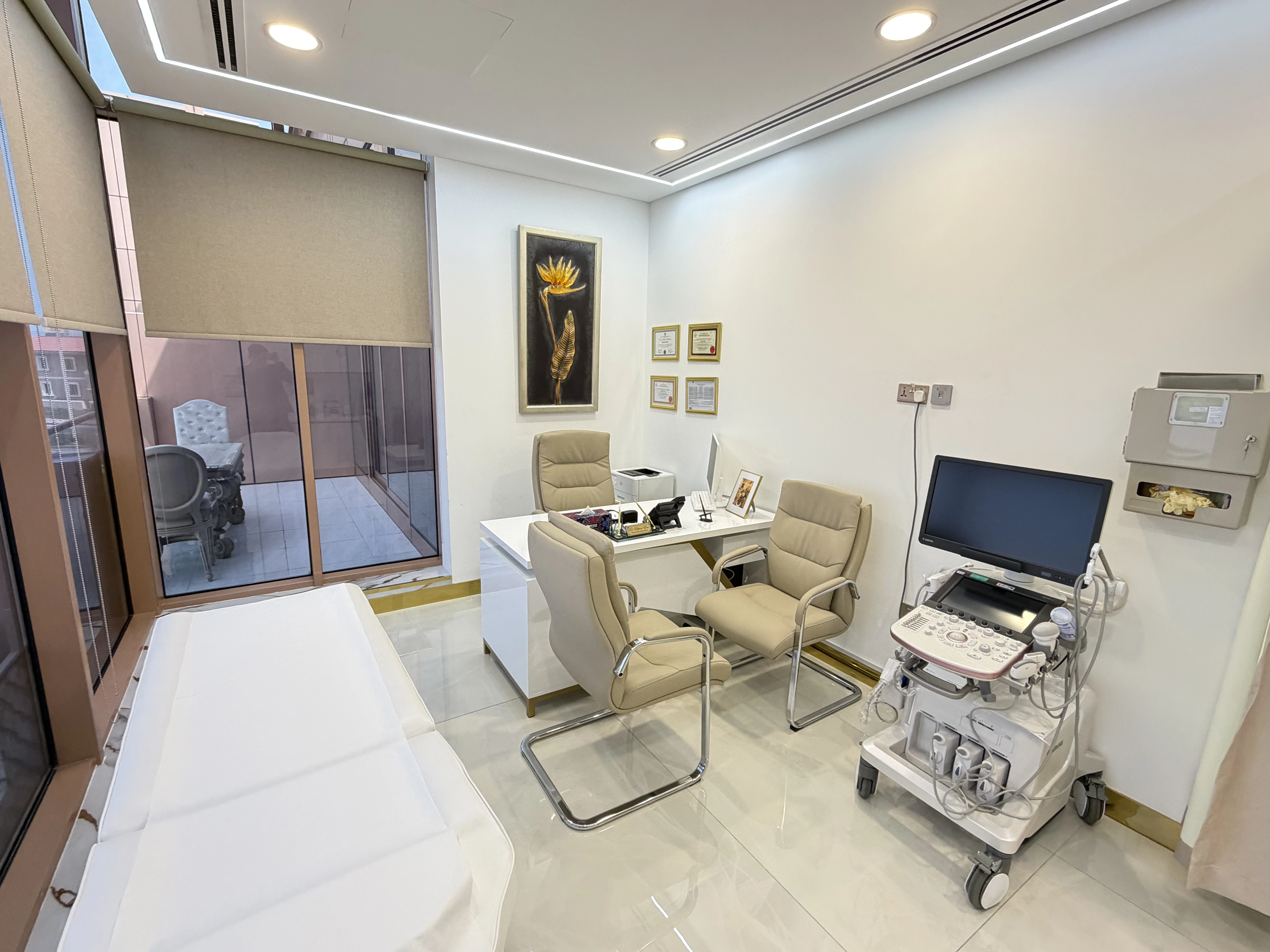
A gastroenterologist in Dubai diagnoses and treats conditions of the digestive system, including the oesophagus, stomach, intestines, liver, gallbladder and pancreas, and performs procedures such as endoscopy and colonoscopy. At DRFK Turkish Medical Center, Jumeirah 3, digestive care is led by Dr. Ali Ibrahim Shorbagi, a European Board-Certified Gastroenterologist and Internist with more than 20 years of clinical experience.
DRFK Turkish Medical Center is located at Villa 2, Al Athar Street, Jumeirah 3, Dubai. The clinic is easily accessible from Jumeirah, Umm Suqeim, Al Safa, Business Bay, and Downtown Dubai within around 15 minutes via Sheikh Zayed Road, with on-site parking available.
Dr. Ali Ibrahim Shorbagi is a DHA-licensed, European Board-Certified gastroenterologist with over 20 years of clinical experience in the UAE and Turkey. He leads digestive care at DRFK Turkish Medical Center, providing endoscopy, colonoscopy, and evidence-based treatment for GERD, IBS, liver disease, and inflammatory bowel conditions.
Delayed specialist review is one of the main reasons digestive conditions worsen unnecessarily. Self-medication may suppress symptoms but does not replace diagnosis. At DRFK, evaluation is designed to convert vague complaints into specific, treatable causes.
GERD pathways include symptom assessment, endoscopic evaluation where indicated, and medical plus lifestyle plans designed to reduce recurrence and mucosal injury risk.
Upper abdominal pain, nausea, and ulcer symptoms are evaluated with endoscopy and H. pylori-directed testing where needed, followed by eradication and healing protocols.
IBS management starts with exclusion of organic pathology and then combines nutrition, bowel-pattern targeting, and trigger control with structured follow-up.
IBD care includes colonoscopy-led diagnosis, activity monitoring, and evidence-based escalation from conventional to biologic pathways when clinically indicated.
Liver pathways cover fatty liver disease, viral hepatitis, and chronic liver-risk profiling with follow-up plans built around labs, imaging, and fibrosis risk.
Screening colonoscopy supports early detection and polyp removal, with age and family history used to personalise screening intervals.
Diagnostic strategy combines serology, targeted endoscopic biopsy when needed, and clinically supervised dietary interpretation to avoid misclassification.
Right upper quadrant pain and biliary-pattern symptoms are evaluated through clinical review and imaging-led pathways for accurate differentiation and referral planning.
Acute and chronic pancreatitis are managed through cause evaluation, symptom control, nutritional strategy, and specialist follow-up for long-term risk reduction.
Seek specialist review promptly when any of the following are persistent or progressive.
Urgent warning
Seek immediate care for vomiting blood, black tarry stools, severe abdominal pain, or heavy rectal bleeding.
Digestive care at DRFK is integrated with in-house radiology, diagnostics, surgery coordination, and pharmacy support so investigations and decisions move faster.
Consultation includes structured symptom history, focused abdominal examination, test planning, and a results review pathway that translates findings into a practical treatment plan.
Patients choose DRFK for complete digestive care in one centre: specialist review, procedure capability, diagnostics, and follow-up coordination.
DRFK also supports paediatric digestive pathways through dedicated paediatric gastroenterology services for infants, children, and adolescents with reflux, constipation, coeliac disease, and inflammatory bowel conditions.
DRFK provides gastroenterology services under DHA-licensed clinical governance with integrated procedure, laboratory, and radiology standards.
Book by phone, WhatsApp, or online. DRFK Turkish Medical Center is in Jumeirah 3, Dubai, with fast-access scheduling and coordinated digestive diagnostics.
Pediatric gastroenterology, diagnostic imaging, laboratory diagnostics, and general practitioner pathways are available through coordinated referral inside DRFK.
A gastroenterologist diagnoses and manages diseases affecting the oesophagus, stomach, intestines, liver, gallbladder, bile ducts and pancreas. This includes common conditions such as acid reflux and IBS, as well as more complex digestive, liver and inflammatory bowel disorders.
Digestive symptoms often overlap, so the role of a gastroenterology specialist is to connect the symptom to the underlying organ and condition, then recommend the appropriate test and treatment. Persistent or recurring symptoms should be assessed clinically rather than managed indefinitely with self-medication.
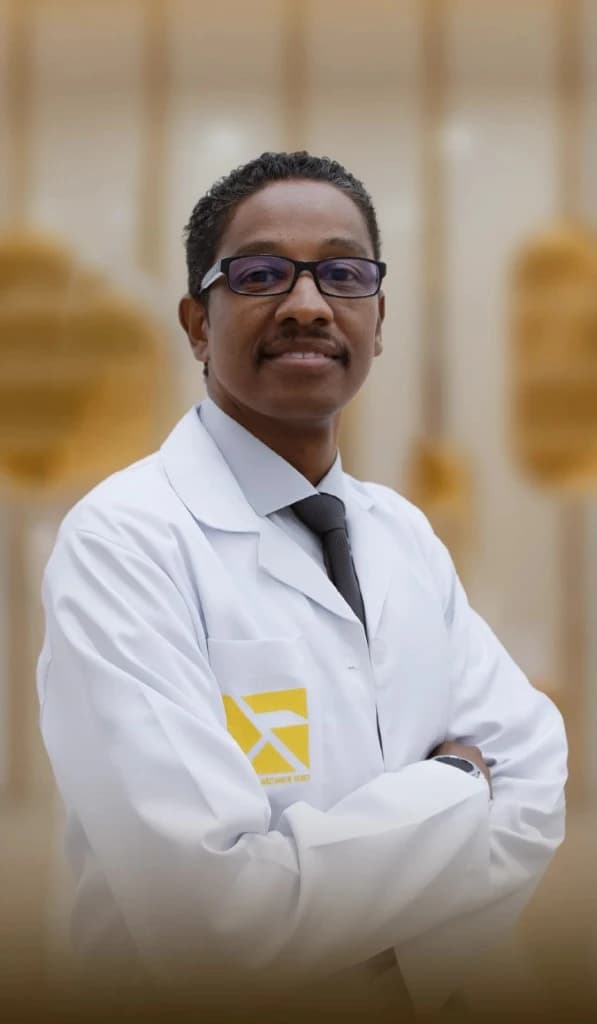
Lead specialist
Gastroenterologist & Internist
Gastroenterology & Hepatology
20+ years experience
DHA License No: 77189560-003
full profile of Dr. Ali Ibrahim ShorbagiDr. Ali Ibrahim Shorbagi is a European Board-Certified Gastroenterologist and Internist at DRFK Turkish Medical Center in Jumeirah 3, Dubai, with more than 20 years of postgraduate clinical experience. His clinical focus spans gastroenterology and hepatology, advanced endoscopy, colonoscopy, inflammatory bowel disease and liver disease.
Dr. Shorbagi holds fellowships from the Royal College of Physicians and Surgeons of Glasgow and the European Board of Gastroenterology and Hepatology. His academic journey spans an MD, a PhD-equivalent in Internal Medicine, a Postgraduate Fellowship in Gastroenterology, and a Master's degree in Leadership in Health Professions Education.
He brings more than two decades of postgraduate clinical experience, including over 15 years in advanced endoscopic procedures such as diagnostic and therapeutic gastroscopy and colonoscopy, and more than 16 years in clinical teaching.
Dr. Shorbagi has served in senior academic and clinical positions, including Associate Professor of Medicine and Director of University Medical Clinics at the University of Sharjah, UAE, and Consultant Gastroenterologist roles in Qatar and Turkey. He has contributed multiple publications in international journals and participated in sponsored clinical trials.
He consults in English, Arabic and Turkish, supporting DRFK's diverse international patients. You can read the full profile of Dr. Ali Ibrahim Shorbagi for his complete background.
You should see a gastroenterologist if you have persistent or recurring digestive symptoms, or symptoms that interfere with daily life, appetite or weight. Assessment helps identify the cause and determine whether further investigation or treatment is needed.
Reasons to seek assessment include persistent abdominal pain, ongoing bloating, frequent heartburn or indigestion, nausea, difficulty swallowing, and a change in bowel habits such as diarrhoea or constipation lasting more than a few weeks.
Some symptoms need prompt evaluation, including rectal bleeding, unexplained weight loss, persistent vomiting, difficulty swallowing, and unexplained anaemia. Seek urgent medical attention for severe or rapidly worsening symptoms, significant gastrointestinal bleeding, vomiting blood, black or tarry stools, severe abdominal pain, or fainting.
An experienced gastroenterologist manages a broad range of digestive and liver conditions. Management always depends on diagnosis and individual clinical circumstances.
GERD causes heartburn and regurgitation and is evaluated clinically, with endoscopy where symptoms persist. Management may combine lifestyle measures and medication.
Gastritis and peptic ulcers cause upper abdominal pain and nausea, and assessment may include testing for H. pylori, a common bacterial cause, with treatment guided by the findings.
Irritable bowel syndrome causes bloating, cramping and altered bowel habits. Diagnosis follows clinical evaluation, and management is tailored through dietary and treatment strategies.
Inflammatory bowel disease, including Crohn's disease and ulcerative colitis, can cause diarrhoea, bleeding and weight loss, and generally requires long-term specialist management.
As part of gastroenterology and hepatology, conditions such as fatty liver disease and abnormal liver function are assessed and managed, often alongside metabolic and lifestyle factors.
Colon polyps usually cause no symptoms and can be identified during colonoscopy and, when appropriate, removed to reduce the risk of future colorectal cancer.
| Condition | Typical Symptoms | Approach to Management |
|---|---|---|
| GERD / acid reflux | Heartburn, regurgitation | Lifestyle, medication, endoscopy if persistent |
| Gastritis / ulcers | Upper abdominal pain, nausea | H. pylori testing, medication |
| IBS | Bloating, cramping, bowel changes | Dietary and treatment strategies |
| IBD | Diarrhoea, bleeding, weight loss | Long-term specialist management |
| Fatty liver disease | Often silent, found on testing | Lifestyle and metabolic management |
| Colon polyps | Usually none | Colonoscopy detection and removal |
An experienced gastroenterologist combines clinical evaluation with targeted testing rather than ordering investigations without considering the patient's symptoms, history and examination findings. Diagnosis drives the plan.
Assessment begins with a detailed symptom history and examination to guide which investigations are appropriate.
Blood tests, liver function tests and stool analysis support diagnosis and are available through DRFK's in-house laboratory diagnostics.
Ultrasound, CT and MRI, provided through DRFK's in-house radiology department, help assess the abdominal organs when indicated.
Endoscopy and colonoscopy allow direct visualisation of the digestive tract, with biopsy where needed to confirm a diagnosis.
Endoscopy and colonoscopy are core diagnostic and therapeutic procedures a gastroenterologist performs. Dr. Ali Ibrahim Shorbagi has over 15 years of experience in advanced endoscopic procedures.
A thin flexible camera examines the oesophagus, stomach and upper small intestine to investigate reflux, pain, swallowing difficulty or bleeding, with biopsy taken where needed.
A camera examines the colon and rectum to investigate bowel changes, bleeding, or for screening. Polyps can be identified and, when appropriate, removed during the procedure.
Endoscopy and colonoscopy may be performed with sedation where clinically appropriate, with preparation and recovery instructions provided before the procedure.
Treatment planning depends on the diagnosis and the individual patient. Management may combine medication, dietary modification with nutrition support, lifestyle change, and monitoring over time.
Conditions such as IBS, GERD, inflammatory bowel disease and fatty liver disease often benefit from an evidence-based plan adjusted according to response, which is why continuity with an experienced specialist supports long-term digestive health.
A stomach specialist is a common way of describing a gastroenterologist, who in fact covers the entire digestive tract, not just the stomach. A gastroenterologist diagnoses and manages conditions of the oesophagus, stomach, intestines, liver, gallbladder and pancreas, and performs endoscopic procedures, making their scope broader than the name suggests.
This is worth clarifying because patients often search for a stomach specialist when their symptoms actually involve the intestines, liver or pancreas, all of which fall within a gastroenterologist's expertise.
The cost of gastroenterology care in Dubai depends on the complexity of the consultation, the diagnostic tests required, and any procedures such as endoscopy or colonoscopy. A personalised estimate is provided after assessment rather than a fixed figure.
Insurance coverage depends on your plan, the medical indication, network status and pre-authorisation requirements. DRFK can help patients confirm applicable coverage before planned investigations or procedures.
DRFK provides coordinated access to gastroenterology consultation, endoscopy, radiology and laboratory diagnostics within one DHA-licensed facility. Care is led by Dr. Ali Ibrahim Shorbagi, supported by a multidisciplinary team including radiology (Dr. Vivek Kapoor), clinical pathology and pediatric gastroenterology for younger patients.
DRFK Turkish Medical Center is located at Villa 2, Al Athar Street, Jumeirah 3, Dubai. The clinic is easily accessible from Jumeirah, Umm Suqeim, Al Safa, Business Bay and Downtown Dubai, and nearby Dubai communities, within around 15 minutes via Sheikh Zayed Road, with on-site parking available.
📍 Developer note: implement MedicalClinic, Physician (Dr. Ali Ibrahim Shorbagi) and BreadcrumbList schema; match visible content only, no ratings or awards unless verifiably supported.
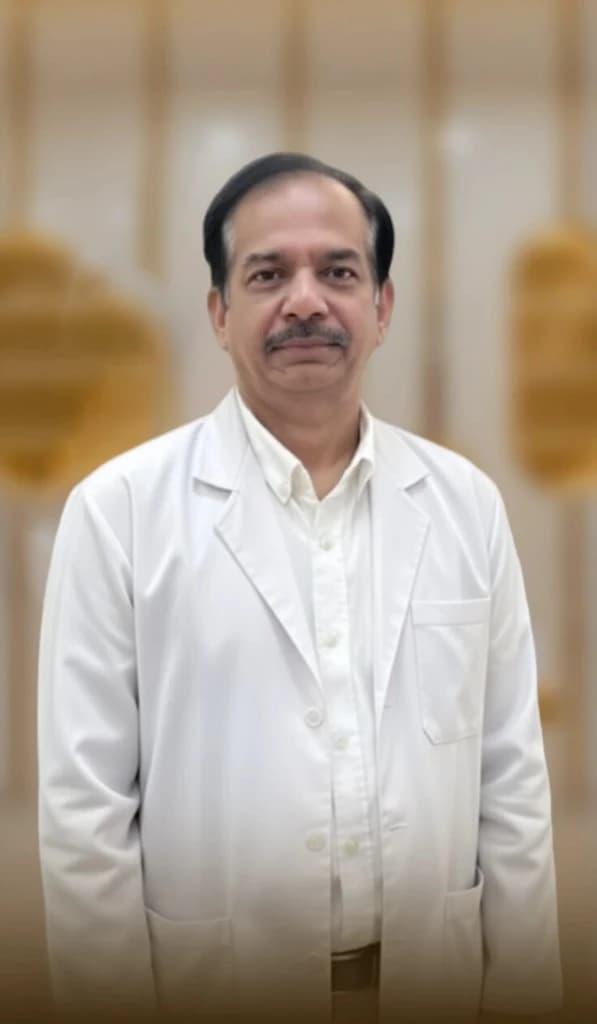
Lead specialist
Specialist Radiology
Diagnostic Imaging & Interventional Radiology
25+ years experience
DHA License No: 00219919-003
Dr. Vivek Kapoor (Radiology)Experiencing persistent digestive symptoms? [Book an Assessment] · Need an endoscopy or colonoscopy? [Speak with the Gastroenterology Team]
Sedated endoscopy for oesophagus, stomach, and duodenum with biopsy capability for GERD, ulcers, H. pylori, coeliac disease, and bleeding assessment.
Complete large bowel mucosal review with biopsy and polypectomy for screening, bleeding assessment, bowel habit changes, and IBD diagnosis.
Same-visit abdominal imaging for liver, gallbladder, bile ducts, and pancreas with rapid reporting.
Urea breath test, stool antigen testing, or endoscopic biopsy according to indication.
Biopsy analysis with structured results consultation and treatment planning.
Track symptom timeline, triggers, and severity before consultation.
Do not self-start prolonged acid suppression without specialist review.
Family history should be shared early for risk-adjusted screening.
Early specialist input usually reduces unnecessary repeat treatment.
Experiences shared by patients after consultation or treatment.
“My reflux diagnosis became clear after proper endoscopy and I finally received a plan that worked long term.”
Ahmed K. — Patient feedback
“After years of uncertainty, I received an accurate IBS diagnosis and a practical treatment pathway.”
Sarah L. — Patient feedback
“تشخيص دقيق وخطة علاج واضحة لمشاكل الجهاز الهضمي في وقت قصير.”
Patient testimonial — Patient feedback
Medical & surgical services | Patient-centered care
Medically reviewed by: Dr. Ali Ibrahim Shorbagi
Every day: 9:00 AM – 6:00 PM
Villa 2 Al Athar Street, Jumeirah 3, Dubai, United Arab Emirates