Dr. HATİCENUR KIRAR is a Pediatrician & Gastroenterologist specializing in children’s digestive issues such as reflux, celiac disease, food allergies, and liver conditions.
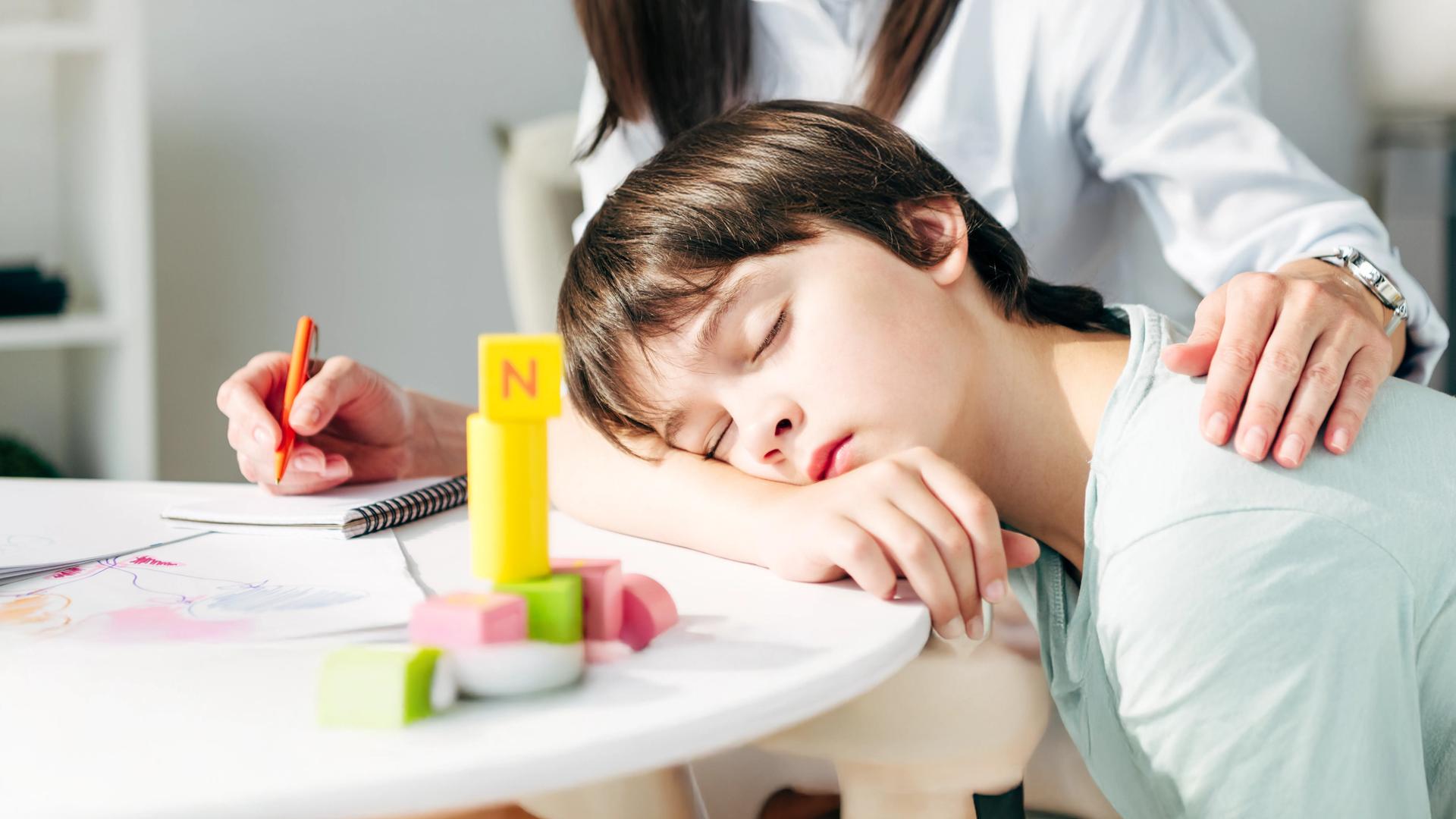
Childhood is a transformative period in which neurological, emotional, and physical development occurs at high speed. Sleep plays a critical regulatory role supporting memory consolidation, immune response, metabolism, and growth. When these sleep cycles are disrupted, children may experience irritability, mood dysregulation, attention difficulties, and reduced school performance. Research indicates that up to 50% of children experience sleep related disturbances at some stage, making early identification and intervention essential.
Common pediatric sleep issues include insomnia, bedtime resistance, night terrors, parasomnias, restless legs syndrome (RLS), snoring, anxiety associated sleep refusal, and irregular circadian rhythms. While many difficulties are behavioral, others may reflect underlying medical or neurological conditions requiring assessment.
Healthy Sleep Habits for Children (Sleep Hygiene Foundations)
Establishing a structured sleep environment improves sleep onset, reduces night waking, and stabilizes circadian rhythms. These habits are the first line of intervention for mild to moderate sleep issues.
Recommended Sleep Hygiene Practices
Habit
Why It Matters
Consistent bedtime + wake-up time
Regulates circadian rhythm and melatonin release
30–60 minute calming bedtime routine
Signals brain to transition from wake to sleep
No screens at least 2 hours prior
Reduces blue-light-induced melatonin suppression

bedtime smartphone use by a child affecting healthy sleep habits
Cool, dark, and quiet room
Ideal physiological conditions for REM + deep sleep
Daytime physical activity
Enhances sleep pressure and reduces hyperarousal
Avoid caffeine/sugar late-day
Minimizes restlessness and delayed sleep onset
Relaxation methods (reading, breathing, soft music)
Lowers anxiety and improves readiness for sleep
Children exposed to consistent routines show faster sleep onset, fewer awakenings, and lower anxiety around bedtime.
Causes of Sleep Problems in Children
Sleep disturbances rarely arise from a single factor. Most cases involve a mix of behavioral, emotional, environmental, and biological influences.
- Behavioral
Screen exposure, late bedtime, lack of routine
- Emotional
Separation anxiety, school stress, nightmares
- Developmental
Toddler transitions, growth spurts, new environments
- Medical
Allergies, asthma, reflux, sleep apnea, eczema discomfort
- Neurological
ADHD, RLS, parasomnias, sensory processing issues
- Family Lifestyle
Irregular routine, co-sleeping dependence, late meals
Children with ADHD are particularly prone to sleep disturbance due to differences in dopamine regulation, hyperactivity, and delayed melatonin production.
Symptoms: How to Know if Your Child Has a Sleep Problem
Early recognition can prevent long term cognitive and behavioral effects.
Behavioral Indicators
- Difficulty falling asleep (long sleep latency)
- Frequent bedtime resistance or tantrums
- Dependency on parent presence to fall asleep
- Appears wired or "too awake" at night
Nighttime Symptoms
- Waking multiple times per night
- Nightmares, night terrors, or sleepwalking episodes
- Snoring, mouth breathing, or gasping during sleep
- Restless movements or kicking (possible RLS)
Daytime Signs
- Irritability, mood swings, or emotional outbursts
- Poor school performance or reduced concentration
- Hyperactivity mimicking ADHD symptoms
- Excessive daytime sleepiness or napping
The 10–4–3–2–1 Sleep Rule (Daily Regulation Strategy)
10 hours
- No caffeine even from soda or chocolate
4 hours
- Avoid heavy meals and sugary foods
3 hours
- Reduce mentally/physically stimulating activities
2 hours
- Turn off all screens tablets, TVs, phones, gaming
1 hour
- Begin calming routine: bath, dim lights, reading, breathing
This method is particularly effective for teens with insomnia and can reduce sleep onset time significantly.
When to Seek Medical or Professional Help
Parents should consult a pediatrician or sleep specialist if:
- Snoring is loud, persistent, or accompanied by pauses in breathing
- Sleep problems occur >3 nights per week for over 3 months
- Parasomnias (sleepwalking, night terrors) are frequent or dangerous
- Daytime functioning or academics are clearly affected
- Child exhibits symptoms of obstructive sleep apnea
- Restless movement suggests limb discomfort (possible RLS)
- Behavioral interventions have not improved sleep patterns
Untreated sleep disorders can affect memory, emotional regulation, and long-term neurodevelopment early evaluation is key.
How many hours of sleep does a child need?
- Age 1–2 years
Recommended Sleep Duration 11–14 hours
- Age 3–5 years
Recommended Sleep Duration 10–13 hours
- Age 6–12 years
Recommended Sleep Duration 9–12 hours
- Age Teens
Recommended Sleep Duration 8–10 hours
Is melatonin safe for children?
Short-term melatonin may help with circadian rhythm dysregulation, but should not be the first solution and must be given under medical supervision.
Can anxiety cause sleep problems?
Yes separation anxiety, overthinking, sensory overload, and fear of darkness are major triggers for sleep-onset delays.
What is the best first step for improving sleep?
Implement consistent bedtime routines, remove screens before sleep, and create a calming bedtime environment. If no improvement occurs, evaluate medical or emotional causes.
Conclusion
Sleep is a foundational pillar of childhood development as critical as nutrition and emotional support. With predictable routines, reduced stimulation, and age-appropriate habits, most children experience significant improvement. For persistent or medically complex cases, professional assessment ensures early intervention and prevents long term cognitive and behavioral impact.
Share this article
About Dr. HATİCENUR KIRAR
Dr. HATİCENUR KIRAR is a Pediatrician & Gastroenterologist specializing in children’s digestive issues such as reflux, celiac disease, food allergies, and liver conditions.
Quick Navigation
Stay Updated
Get the latest health insights delivered to your inbox.