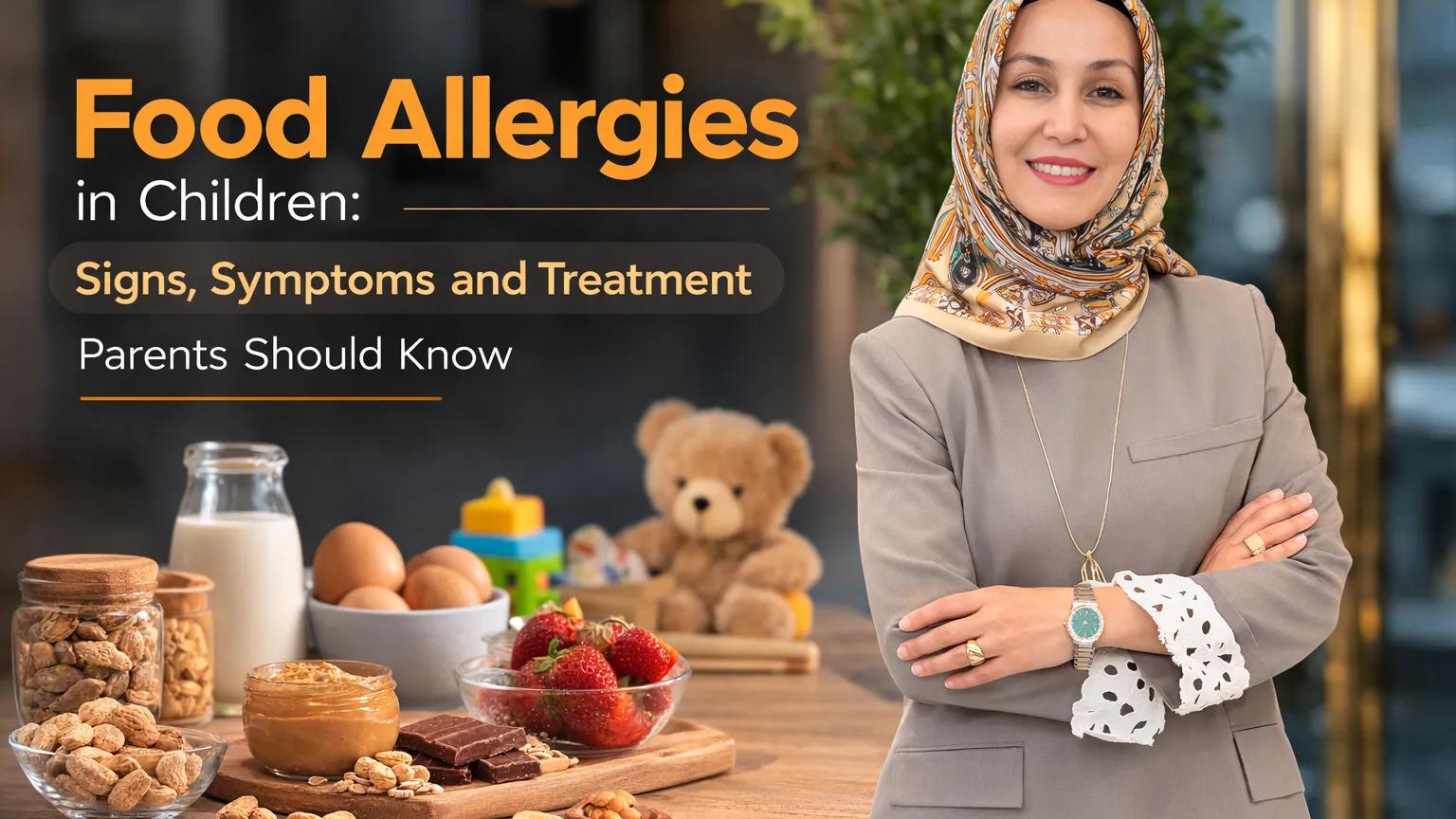
Dr. HATİCENUR KIRAR is a Pediatrician & Gastroenterologist specializing in children’s digestive issues such as reflux, celiac disease, food allergies, and liver conditions.
Food allergies in children occur when the immune system reacts to certain foods such as milk, eggs, peanuts, wheat, soy, fish, or shellfish. Symptoms may include skin rashes, swelling, vomiting, breathing problems, or digestive discomfort. Early diagnosis and proper pediatric care help prevent severe reactions and ensure healthy growth and nutrition for children.
What Are Food Allergies in Children?
Food allergies in children occur when the immune system reacts to certain foods such as milk, eggs, peanuts, wheat, soy, fish, or shellfish. Symptoms may include skin rashes, swelling, vomiting, stomach pain, or breathing problems. Early recognition of food allergy symptoms in babies and children helps parents seek medical care and prevent serious allergic reactions.
Signs of Food Allergies in Babies and Children
Recognizing the early signs of a food allergy is essential for parents. Symptoms may appear within minutes or a few hours after eating a specific food.
Common food allergies signs include:
- Skin rash or baby food allergy skin rash
- Hives or red itchy patches on the skin
- Swelling of the lips, face, or eyelids
- Vomiting or stomach pain
- Diarrhea
- Persistent coughing or wheezing
- Difficulty breathing
In infants, food allergies often appear as skin reactions or digestive symptoms, which parents may confuse with common baby rashes or stomach issues.
Baby Food Allergy Skin Rash: What Parents Should Look For
One of the earliest signs of food allergy in babies is a skin rash that appears shortly after eating certain foods.
Typical characteristics include:
- Red patches on the cheeks or body
- Raised itchy bumps (hives)
- Swelling around the mouth
- Worsening eczema
If parents notice these symptoms after introducing a new food, it is important to consult a pediatric specialist for proper diagnosis and allergy testing.
Most Common Food Allergies in Babies and Children
Most childhood food allergies are caused by a limited number of foods.
The most common allergens in babies include:
- Cow’s milk
- Eggs
- Peanuts
- Tree nuts (almonds, walnuts, cashews)
- Wheat
- Soy
- Fish
- Shellfish
These foods account for the majority of allergic reactions in children worldwide.
Top 20 Food Allergies in Children
Although the top eight allergens cause most reactions, many other foods may trigger allergies in sensitive children.
Examples include:
- Sesame
- Mustard
- Corn
- Chocolate
- Certain fruits such as kiwi or strawberries
- Certain vegetables like celery
Every child reacts differently, which is why proper pediatric allergy evaluation is essential.
What to Do If a Baby Has an Allergic Reaction to a New Food
Parents should take the following steps if a baby reacts to a newly introduced food:
- •Stop giving the food immediately.
- •Monitor the child for worsening symptoms.
- •If symptoms are mild, contact your pediatrician.
- •If breathing difficulty, swelling, or vomiting occurs, seek emergency medical care immediately.
Keeping track of new foods introduced into a baby’s diet helps doctors identify the possible allergen.
Food Allergy vs Food Intolerance in Children
Food allergies and food intolerances are often confused, but they are different conditions.
Food allergy
- Immune system reaction
- Can cause severe reactions (anaphylaxis)
Food intolerance
- Digestive system issue
- Usually causes bloating, gas, or stomach discomfort
Understanding this difference helps parents seek the correct medical treatment.
Child Food Allergy Treatment
There is currently no universal cure for food allergies, but they can be effectively managed.
Treatment typically includes:
- Avoiding trigger foods
- Carrying emergency medication such as epinephrine
- Nutritional guidance to maintain a balanced diet
- Regular pediatric monitoring
Some children eventually outgrow certain allergies, particularly milk, egg, soy, and wheat allergies.
Food Allergies in Children Statistics
Recent research shows that food allergies are becoming more common worldwide.
Key statistics include:
- Approximately 1 in 13 children has a food allergy.
- Around 8% of children globally are affected.
- Peanut allergies have increased significantly over the past two decades.
These numbers highlight the importance of early diagnosis and pediatric allergy management.
Worried your child may have a food allergy?
Book a consultation with our pediatric specialists at DRFK Turkish International Day Surgery Center in Jumeirah Dubai for accurate diagnosis and advanced food allergy testing. Early evaluation helps protect your child’s health and prevent serious allergic reactions.
Food Allergy Testing at DRFK Advanced Medical Laboratory
Accurate diagnosis is essential for managing food allergies in children. At DRFK Turkish International Day Surgery Center in Jumeirah Dubai, food allergy testing is performed in our advanced medical laboratory, helping pediatric specialists identify triggers such as milk, eggs, peanuts, wheat, soy, fish, and shellfish. With modern diagnostic technology and experienced doctors, DRFK provides reliable food allergy testing and pediatric care for families in Dubai.
FAQ
How do I know if my child has a food allergy?
A child may have a food allergy if symptoms such as skin rash, swelling, vomiting, or breathing problems occur shortly after eating certain foods. A pediatric doctor can confirm the diagnosis with allergy tests.
What is the most common food allergy in children?
The most common food allergies in children include cow’s milk, eggs, peanuts, tree nuts, wheat, soy, fish, and shellfish.
Can you fix food allergies?
While there is no universal cure for food allergies, many children outgrow certain allergies over time. Proper management and regular pediatric care help prevent severe reactions.
What are 7 signs of a food allergy?
Seven common signs of a food allergy include:
- Hives or skin rash
- Swelling of lips or face
- Vomiting
- Stomach pain
- Diarrhea
- Coughing or wheezing
- Difficulty breathing
This article was medically reviewed by the pediatric and medical specialists at DRFK Turkish International Day Surgery Center in Jumeirah Dubai, Dr. Haticenur Kırar – Pediatrics & Pediatric Gastroenterology
Share this article
About Dr. HATİCENUR KIRAR
Dr. HATİCENUR KIRAR is a Pediatrician & Gastroenterologist specializing in children’s digestive issues such as reflux, celiac disease, food allergies, and liver conditions.
Quick Navigation
Stay Updated
Get the latest health insights delivered to your inbox.