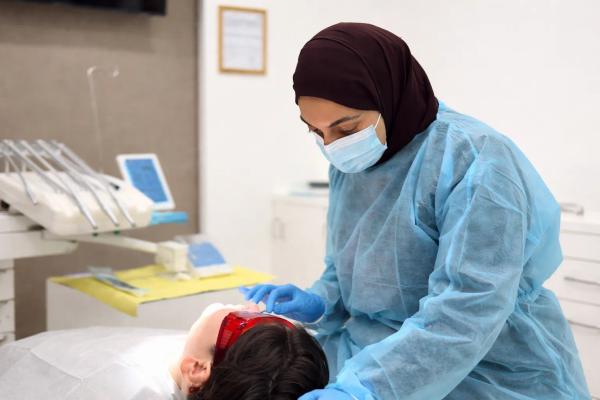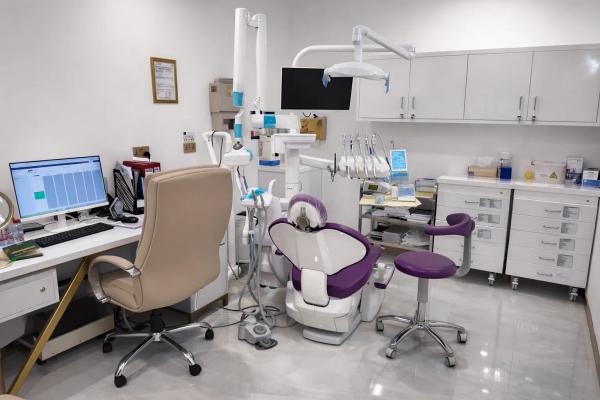
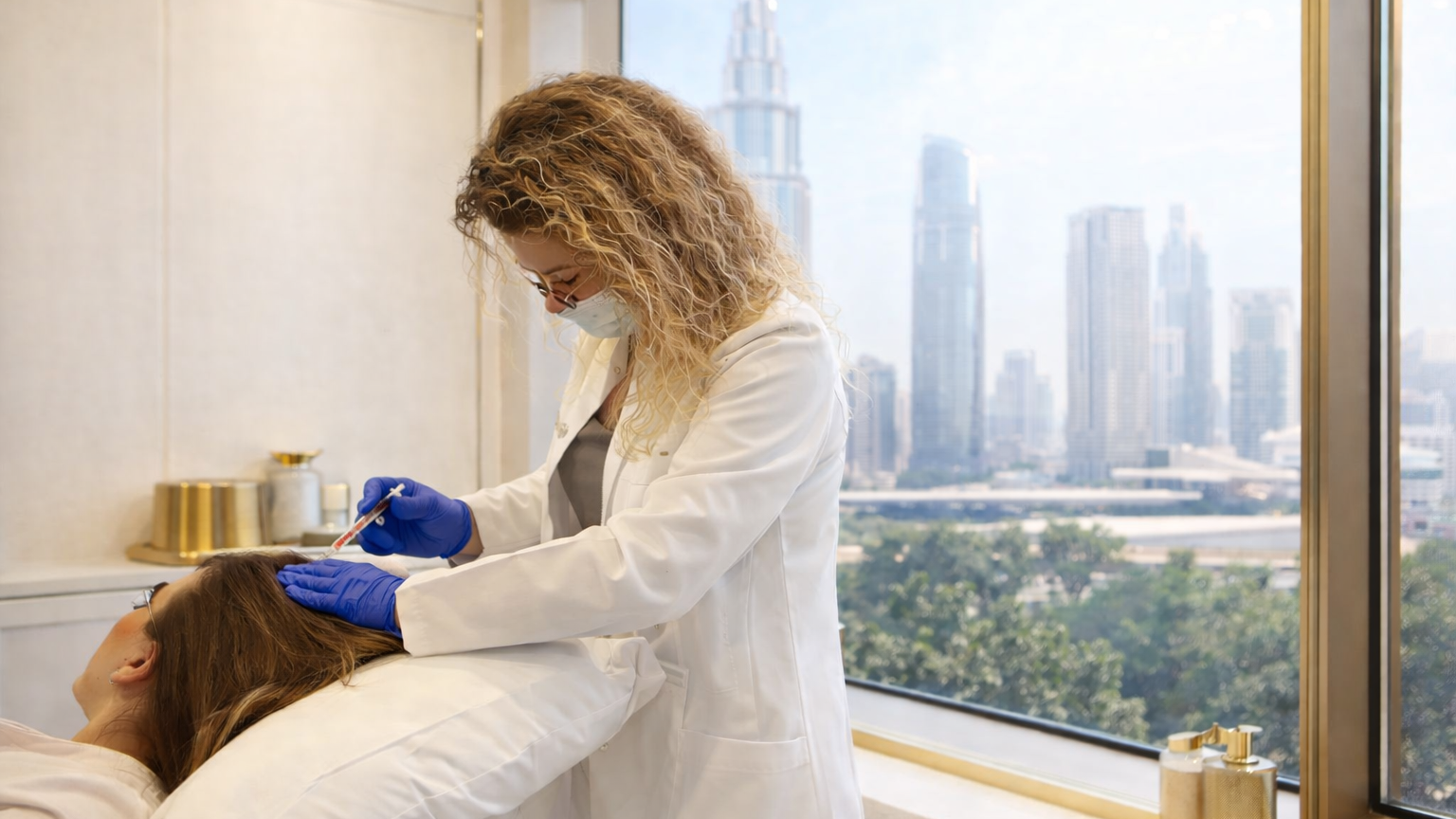
DRFK Team in Dubai brings together expert Turkish doctors and specialists, offering trusted medical care, advanced procedures, and comprehensive health solutions
Hair loss can occur due to genetic factors, hormonal imbalance, vitamin deficiencies, stress, or scalp conditions and is one of the most common reasons people search for hair loss treatment. Modern hair restoration treatments such as PRP therapy, medical scalp treatments, and hair transplant procedures can slow hair loss and stimulate hair regrowth.
At DRFK Turkish International Day Surgery Center in Dubai, hair loss is evaluated by experienced Turkish doctors who identify the root cause before recommending personalized treatments such as PRP hair therapy, mesotherapy, or advanced hair transplant techniques in dubai.
Quick Summary
Hair loss may develop due to several factors affecting scalp health and hair follicles.
Common causes include:
- genetic hair loss
- hormonal imbalance
- vitamin deficiencies
- stress related shedding
- scalp conditions
Treatment options may include:
- PRP hair therapy
- scalp mesotherapy
- medical treatments
- advanced hair transplant procedures
Early diagnosis plays a critical role in selecting the most effective treatment.
Understanding Hair Loss
Hair loss affects millions of people worldwide and may occur in both men and women. While losing around 50–100 hairs per day is considered normal, noticeable thinning or excessive shedding may indicate an underlying issue affecting the hair growth cycle.
Common questions patients ask include:
- Which vitamin deficiency causes hair loss?
- What hormone causes hair loss in females?
- How to stop hair fall immediately?
Understanding the cause of hair loss is essential before selecting the appropriate treatment strategy.
Major Causes of Hair Loss
Genetic Hair Loss
The most common cause of hair loss is androgenetic alopecia, a genetic condition affecting hair follicles.
It usually presents with:
- thinning hair
- receding hairline
- decreased hair density
Vitamin Deficiency and Hair Loss
Many patients ask which vitamin deficiency causes hair loss.
Hair follicles require proper nutrition to function normally. Deficiencies in key nutrients may weaken hair growth.
Important nutrients include:
- iron
- vitamin D
- vitamin B12
- biotin
- zinc
Correcting nutritional deficiencies can help improve hair strength and reduce shedding.
Hormonal Hair Loss in Women
Hormonal imbalance is one of the most common reasons for hair fall in females.
Conditions that may affect hair growth include:
- menopause
- thyroid disorders
- pregnancy related hormonal changes
- polycystic ovary syndrome (PCOS)
These hormonal changes may lead to diffuse hair thinning, often referred to as hair loss in women.
Non-Surgical Hair Loss Treatments
Modern medicine offers several non-surgical treatments for hair thinning and early hair loss.
PRP Hair Treatment
PRP (Platelet Rich Plasma) therapy involves using growth factors from the patient’s own blood to stimulate hair follicles.
Benefits include:
- improved hair density
- stimulation of hair follicles
- reduced hair shedding
Hair Mesotherapy
Hair mesotherapy involves injecting vitamins, minerals, and amino acids into the scalp to nourish hair follicles and support healthy hair growth.
Hair Transplant Solutions
For patients with advanced hair loss, hair transplantation Solutions can provide long-lasting results.
Hair transplantation involves moving healthy hair follicles from a donor area to areas affected by thinning or baldness.
Common Hair Transplant Procedures
Modern hair restoration medicine offers several advanced transplantation techniques.
FUE Hair Transplantation
Follicular Unit Extraction (FUE) is one of the most widely used hair transplant techniques. Individual hair follicles are extracted and transplanted into areas affected by hair loss.
This technique leaves minimal scarring and allows for natural-looking results with faster recovery.
FUT Hair Transplantation
Follicular Unit Transplantation (FUT) uses a strip harvesting technique where a thin strip of scalp is removed and individual follicular units are transplanted.
This method may be ideal for patients who require a large number of grafts in a single session.
Robotic Hair Transplantation
Robotic-assisted hair transplantation uses advanced technology to enhance the precision of graft extraction and placement.
This method can improve accuracy and reduce procedure time while maintaining natural-looking results.
DHI (Direct Hair Implantation)
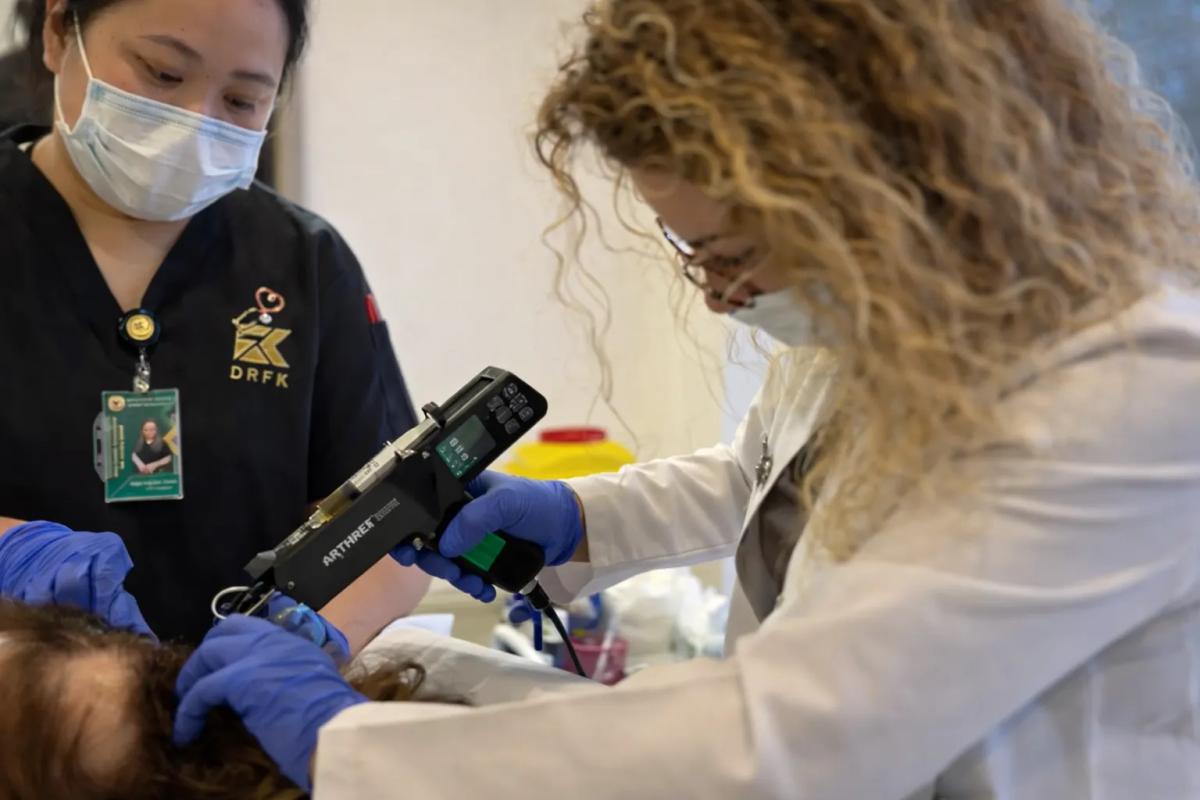
Direct Hair Implantation (DHI) is a modern technique using specialized implantation pens that allow follicles to be extracted and implanted directly into the scalp.
Benefits include:
- reduced graft handling time
- improved graft survival
- precise hair implantation
PRP-Enhanced Hair Transplantation
PRP therapy can also be combined with hair transplantation procedures.
This combination helps:
- improve graft survival
- accelerate healing
- stimulate natural hair growth
Beard and Mustache Transplantation
Hair transplantation can also be used for facial hair restoration.
This procedure helps men achieve:
- fuller beard density
- natural mustache growth
- improved facial hair symmetry
Eyebrow Transplantation
Eyebrow transplantation restores eyebrow density and shape by transplanting hair follicles into the eyebrow region.
This procedure allows the creation of natural-looking eyebrows with proper direction and density.
Hairline Design and Restoration
Hairline design is an important part of hair transplantation.
Specialists carefully plan the hairline based on:
- facial proportions
- age
- natural hair growth patterns
The goal is to create a natural and age-appropriate hairline.
Recovery and Results
Recovery after hair transplantation is typically straightforward.
- Initial recovery usually takes 7–10 days
- Most patients can return to work within 3–5 days
- Transplanted hair may shed within 2–4 weeks, which is a normal part of the healing process
- New hair growth usually begins after 3–4 months
- Visible improvement appears around 6–8 months
- Final results are typically achieved within 12–18 months
Follow-up appointments are scheduled to monitor healing and ensure optimal graft survival.
Hair Loss Treatment with Turkish Doctors in Dubai
Turkey has become internationally recognized for its expertise in hair restoration medicine.
At DRFK Turkish International Day Surgery Center in Dubai, hair loss is evaluated through a comprehensive medical approach.
Assessment may include:
- scalp examination
- hormonal evaluation
- nutritional analysis
- personalized treatment planning
This approach ensures treatment addresses the underlying cause of hair loss.
Conclusion
Hair loss can occur due to genetic factors, hormonal imbalance, vitamin deficiencies, stress, or scalp disorders. Because each patient’s hair loss pattern is different, identifying the underlying cause is essential before starting treatment.
Modern hair restoration methods including PRP therapy, scalp treatments, and advanced hair transplant procedures provide effective solutions for slowing hair loss and restoring hair density.
At DRFK Turkish International Day Surgery Center in Dubai, experienced Turkish doctors evaluate hair loss and design personalized treatment strategies to achieve natural and long-lasting results.
Stop Hair Loss Before It Progresses
Hair loss often begins gradually, but early evaluation can significantly improve treatment outcomes.
If you are experiencing hair thinning, excessive shedding, or changes in hair density, a professional consultation can help identify the cause and determine the most effective treatment options.
Early diagnosis and the right treatment strategy can help you restore healthier, stronger hair and regain confidence.
FAQ
How to fix hair loss?
Hair loss can be treated by identifying the underlying cause and applying targeted treatments such as correcting vitamin deficiencies, hormonal therapy, PRP hair treatment, scalp therapy, or hair transplantation depending on the stage of hair loss.
What are the major causes of hair loss?
The most common causes include genetic predisposition, hormonal imbalance, vitamin deficiencies, stress, autoimmune disorders, and scalp conditions that disrupt the hair growth cycle.
How can I stop my hair falling?
Stopping hair loss requires identifying the root cause and applying appropriate treatments such as improving nutrition, correcting vitamin deficiencies, medical scalp therapies, or regenerative treatments like PRP.
What is the best thing for hair loss?
The best treatment depends on the cause of hair loss. Early hair thinning may respond well to PRP therapy or medical treatments, while advanced hair loss may require hair transplantation for long-term restoration.
Share this article
About DRFK Team
DRFK Team in Dubai brings together expert Turkish doctors and specialists, offering trusted medical care, advanced procedures, and comprehensive health solutions
Quick Navigation
Stay Updated
Get the latest health insights delivered to your inbox.